Call us at +306949885983

Greece vs. Italy: Which Should Be Your 2026 Vacation?

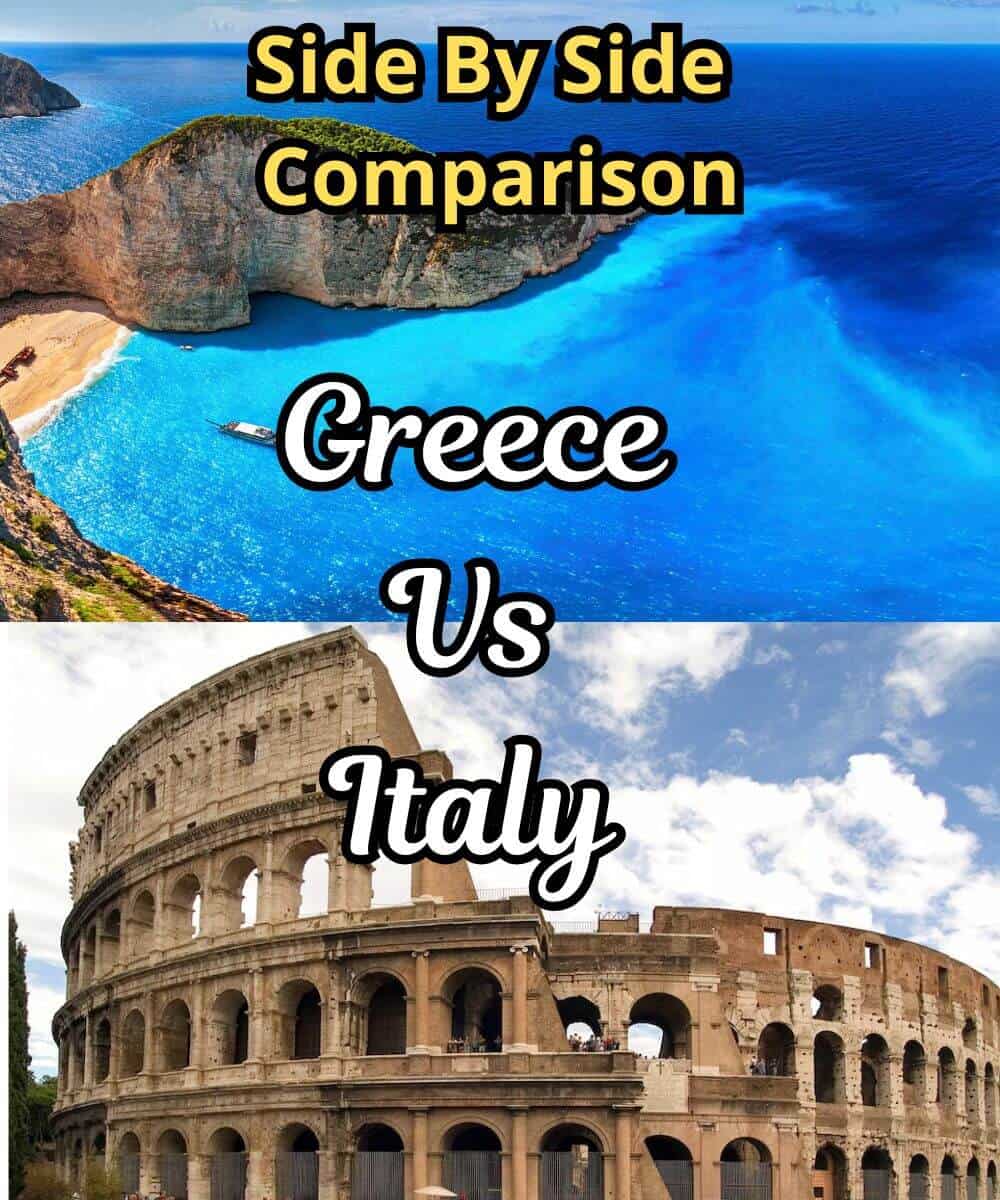
So, you’re planning a dream trip to Europe in 2026—and two iconic destinations keep battling it out in your mind: Greece or Italy?
Both offer sun-drenched coastlines, rich history, mouthwatering food, and unforgettable experiences. But which one is right for you?
Let’s dive deep into the ultimate 2026 vacation showdown: Greece vs. Italy. We’ll compare everything from costs and crowds to beaches and food—so you can confidently pick your perfect destination.
🇬🇷 vs. 🇮🇹 Overview: The Quick Comparison
| Feature | Greece 🌊 | Italy 🍝 |
|---|---|---|
| Vibe | Laid-back, island-focused | Elegant, art-filled, diverse cities |
| Best for | Beaches, island hopping, sunsets | Culture, architecture, pasta & wine |
| Cost (2026 est.) | Slightly cheaper overall | Slightly pricier, especially in cities |
| Crowds | Less crowded outside July-August | More tourists year-round |
| Must-Sees | Santorini, Athens, Crete | Rome, Venice, Amalfi Coast |
| Weather | Hot and dry summers | Varied; hot in summer, rainier north |
| Transportation | Ferries, domestic flights | High-speed trains, rental cars |
Beaches: Greece Wins the Sun-and-Sea Game
Greece is famous for its crystal-clear blue waters and island-hopping lifestyle. Whether you’re lounging on Navagio Beach in Zakynthos or swimming in Balos Lagoon in Crete, you’ll feel like you’re in a postcard.
- Best Greek Beaches (2026): Elafonissi, Myrtos, Porto Katsiki, Sarakiniko
- Water temperature: Warmer, especially July–September
- Vibe: Relaxed, less built-up, fewer mega-resorts
Italy does have beautiful beaches too, especially along the Amalfi Coast, Sardinia, and Sicily, but many are pebbly, and the best spots tend to be more exclusive (and expensive).
✅ Winner: Greece, hands down, for beach lovers and swimmers.
History and Culture: Italy Is a Living Museum
Italy is unbeatable when it comes to art, architecture, and Roman history. Rome, Florence, Venice, Milan, and Naples are overflowing with landmarks and UNESCO sites.
- Colosseum, Vatican Museums, Leaning Tower of Pisa
- Renaissance art, Michelangelo, Da Vinci, Roman ruins
- World-class museums around every corner
Greece is no slouch either. Athens alone offers the Acropolis, Parthenon, and Ancient Agora, and the islands are packed with mythology and ancient temples.
- Delphi, Knossos Palace (Crete), Meteora monasteries
- Strong connection to mythology and ancient democracy
✅ Winner: Italy for Renaissance and Roman buffs; Greece if you’re into mythology and ancient temples.
Food: Tough Call, But Italy Has the Edge
Let’s be honest: you’re going to eat well in both countries. But if you’re chasing a culinary journey, Italy wins by a forkful.
🇮🇹 Italy:
- Pasta, pizza, risotto, gelato, regional wines
- Regional diversity: seafood in the south, truffles in the north
- Rich coffee culture
🇬🇷 Greece:
- Grilled meats, moussaka, souvlaki, tzatziki, feta, olives
- Healthy Mediterranean diet (less processed food)
- Greek tavernas offer casual, authentic vibes
✅ Winner: Italy for gourmet experiences; Greece for fresh, rustic, feel-good food.
Costs: Greece Is More Budget-Friendly in 2026
Greece is generally more affordable than Italy in almost every category:
| Expense Category | Greece | Italy |
|---|---|---|
| Hotels (mid-range) | €80–120/night | €100–160/night |
| Meals (average) | €10–20 | €15–30 |
| Transport | Ferries (€30–60), local flights | Trains (€20–60), toll roads |
| Entry Fees (sites) | €6–15 | €10–25 |
✅ Winner: Greece for value-conscious travelers and long stays.
Getting Around: Italy Has the Edge
Italy has a world-class train system, allowing easy access to major cities and hidden gems. You can explore Tuscany, Venice, Rome, and Milan all by rail.
Greece relies more on ferries, domestic flights, and buses. Island hopping is scenic but can be time-consuming.
✅ Winner: Italy for efficient transport. Greece is more relaxed but requires planning.
Festivals and Culture: Tie with a Twist
Italy celebrates:
- Carnevale in Venice (Feb)
- Holy Week in Rome
- Opera festivals in Verona
- Art Biennale (Venice, 2026 edition is big)
Greece offers:
- Greek Easter (April 2026): bonfires, feasts, fireworks
- Athens & Epidaurus Festival (summer theater)
- Assumption Day (August 15): big on the islands
- Local panigiria (village feasts, especially on islands)
✅ Winner: Tie – Italy for art and tradition; Greece for raw, authentic local charm.
Crowds and Vibes: Greece Is More Relaxed
Italy can be overwhelmingly crowded, especially in peak season. Rome, Venice, and Florence are packed with tour groups even in spring.
Greece has its own summer rush (July–August), but you can still escape to quieter islands like Naxos, Ikaria, or Milos.
✅ Winner: Greece if you want serenity; Italy if you don’t mind the buzz.
Which Should YOU Choose in 2026?
| Choose Greece If You Want: |
|---|
| – Sun-soaked beaches and island hopping |
| – A laid-back, slow-travel vibe |
| – Affordable travel and rustic charm |
| – Myths, ruins, and sunsets over the sea |
| Choose Italy If You Want: |
|---|
| – Art, architecture, and Renaissance treasures |
| – World-class food and coffee culture |
| – Fast trains between iconic cities |
| – Buzzing piazzas and sophisticated charm |
Can’t Decide? Do Both!
You can easily pair the two countries in a multi-country itinerary:
- Fly into Rome, explore central Italy for 5–7 days
- Catch a cheap flight to Athens (around €50–100 in 2026)
- Spend 5–10 days island hopping in Greece
It’s the best of both worlds—and totally doable.
Final Thoughts
Greece vs. Italy isn’t about which one is better. It’s about which one suits you more in 2026.
If you’re chasing sun, sea, and serenity, go Greek.
If you want museums, pasta, and city life, go Italian.
But no matter what you choose, one thing’s for sure: you’re about to have the trip of a lifetime.
About The Author
