Call us at +306949885983

The 3 Best Greek Islands for Foreigners to Live Permanently (and Why)

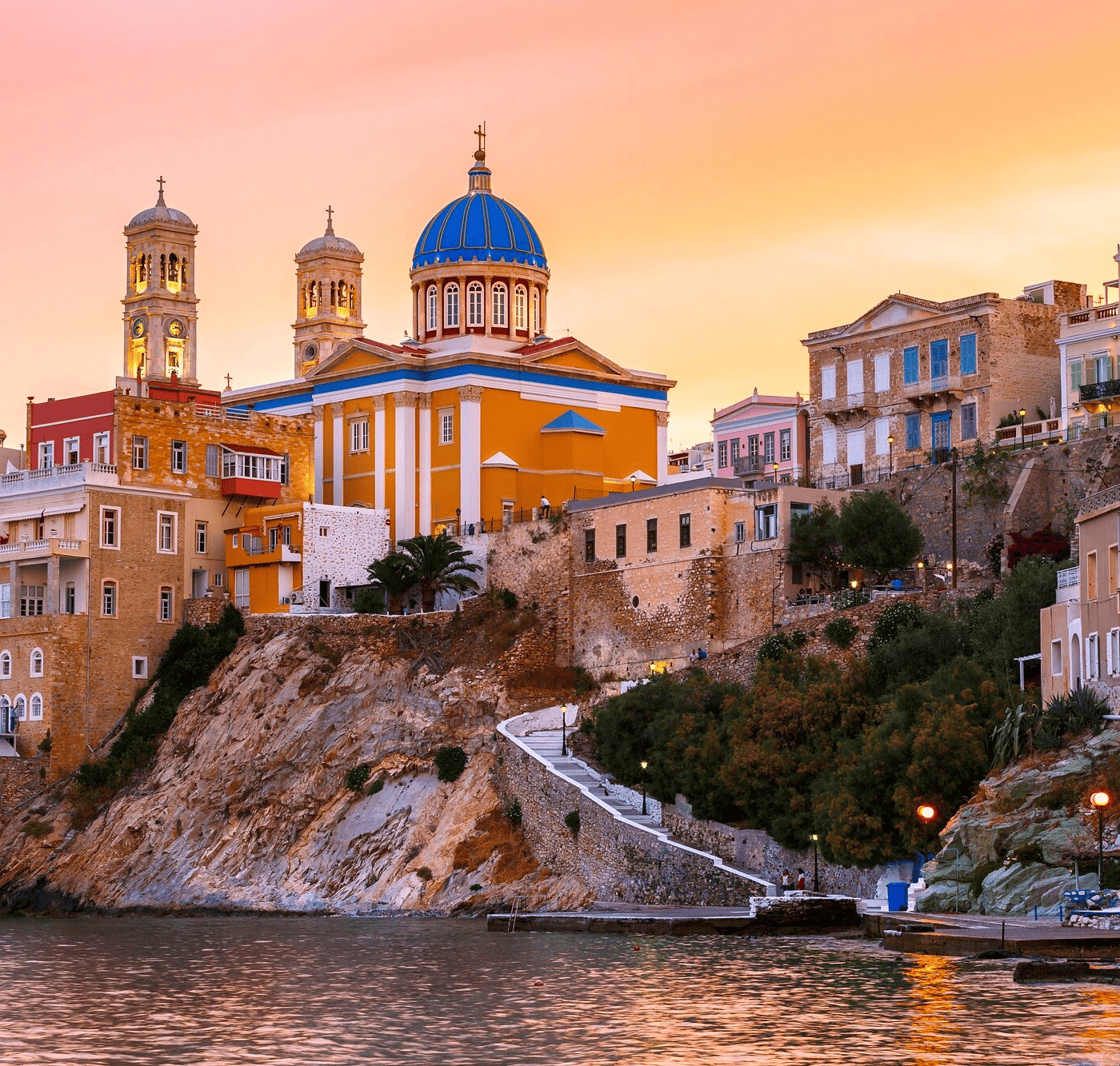
If you put it to most folks, the idea of a life with the sea as your alarm clock, an olive tree for shade over your morning coffee, and no rush to be anywhere, and they’ll tell you: Greek islands.
Then again, you have to be realistic. You can’t just up and make any of them your home. A lot of them are pure enchantment in the height of summer, but when the season turns, they’re all but empty. You’re looking at a lack of good medical care, not much in the way of work, and a ferry to the mainland that can be a long, bumpy one in bad weather.
I put some thought into the realities of making a life on an island and came up with three that you can be in for any season: Crete, Rhodes, and Corfu.
What you’ll find is a good mix of looks, amenities and the way of life. They have the size to put in hospitals and schools and to support a lively community, but they don’t lose any of the old-world appeal in the process.
What to Consider Before Moving to a Greek Island

Before packing your bags, you’ll want to weigh up some realities:
| Factor | Why It Matters |
|---|---|
| Climate Year-Round | Winters vary — some islands are sunny and mild, others cold and rainy. |
| Healthcare | You’ll want access to hospitals, specialists, and pharmacies all year. |
| Transport | Airports and reliable ferry routes mean you can stay connected. |
| Cost of Living | Tourist hot spots are pricier — rural villages can be much cheaper. |
| Community | A year-round population means shops, cafes, and culture don’t shut down. |
| Housing | Seasonal rentals are common — long-term contracts can be trickier to find. |
Pro Tip: If possible, spend a few weeks in winter on the island you’re considering. That’s when you’ll see what daily life is really like.
1. Crete – Big Island, Big Opportunities

You could call Crete the biggest of the Greek islands, but it has a way of feeling like a world of its own. There’s an array of things to see and do here you won’t find on most other isles: mountains with some snow on them, one minute, and then you’re at a beach with palms in the next. It’s the same with the towns; some are full of life, others are as quiet as they come.
Lifestyle
And there’s no off-season when it comes to culture. Head to Heraklion or Chania in the dead of winter and you can still put in an appearance at a good show or festival. The food is what you’d expect from a place with this kind of history: top-shelf olive oil, some hard cheese from up in the hills, and produce you can pick up at the market. For hikers, spring and fall are the time to be out on the trails.
Why It Works for Permanent Living
- Year-Round Life: You won’t find the services and social scene of places like Heraklion, Chania or Rethymno vanishing in the winter months thanks to their year-round populations.
- Healthcare: There is no shortage of medical care either; you have a number of hospitals and private clinics on hand, as well as specialists for whatever you may need.
- Transport: Getting around is straightforward with two international airports and the ferries that run regularly to Athens.
- Housing: If you are in one of the smaller towns, a one-bedroom apartment will set you back some €400 to €500 a month. In the more rural areas, prices can be yet lower.
Pros:
- Diverse landscapes and microclimates
- Strong expat network (especially in Chania and the south coast)
- Affordable cost of living outside main tourist zones
- Excellent fresh food and wine culture
Cons:
- A car is essential outside major cities
- Some areas in the mountains get cold and snowy
- Peak tourist season brings traffic and crowded beaches
Best For: People who want a mix of urban amenities, rural beauty, and endless exploration.
2. Rhodes – Sunshine and Medieval Charm

You have history and some of the best weather in Europe on your hands with Rhodes. The Old Town, a UNESCO site for good reason, has an old-world charm, but you won’t be without what you need for long.
Lifestyle
In Rhodes Town, you can have a coffee in a courtyard that’s seen better centuries and then put on some modern shopping or hit the movies. There’s a good cafe scene to be had. And thanks to the way the island is, you can be out and about all year. It’s not uncommon to take a stroll by the sea in December and not even need to put on a proper coat.
Why It Works for Permanent Living
- Sun All Year: With more than 300 days of sun a year, Rhodes is hard to beat. The winters are mild enough for anyone wanting to get away from the rigours of a harsher climate.
- Community: You will find a welcoming, international atmosphere here, put there by an even split between expats and locals.
- Transport: Getting around is straightforward with ferries to Turkey and the neighbouring islands, as well as year-round service to Athens.
- Housing: Housing is another draw. You can come by a rural property at a good price, while in Rhodes Town a modest apartment will set you back some €350 to €500 a month.
Pros:
- Warm, dry winters
- Rich cultural heritage and festivals
- Well-developed services and shopping
- Easy access to nearby islands
Cons:
- Can feel remote compared to mainland Greece
- Summers can be scorching and busy
- Smaller villages may feel sleepy in winter
Best For: Sun-lovers who want a lively main town, deep history, and mild winters.
3. Corfu – Green, Cultural, and Well-Connected

You can’t miss the appeal of Corfu with its verdant landscape, a bit of Venetian flair in the buildings, and an active cultural scene. Being on the Ionian Sea, it’s also your way in to Italy and beyond.
Lifestyle
Then there’s the town itself, which has a certain cosmopolitan air: you’ll find some fine squares, a few good galleries and, when night falls, some live music. Head out to the country and it’s a different story—olive groves and unassuming villages where you can put your feet up and have some quiet. Even in the off-season, it doesn’t get too lonesome; with so many people here all year, there’s still plenty of life to be had.
Why It Works for Permanent Living
- Green Beauty: You will find the island’s soil is very fertile, which accounts for the fresh produce and the kind of gardens you see here.
- Culture: There is no shortage of culture to be had: opera and theater, music festivals and time-honored local traditions.
- Transport: Getting about is straightforward with ferries to Italy or mainland Greece and an international airport that runs on a seasonal schedule.
- Housing: As for living costs, expect to put down €400 to €600 a month in town, though you can do it for less out in the country.
Pros:
- Beautiful, green landscapes
- Active cultural scene all year
- Strong expat presence, especially from the UK and Italy
- Easy travel to Western Europe
Cons:
- Wetter winters than Crete or Rhodes
- Tourist season brings heavy traffic to popular spots
- Housing in Corfu Town can be pricey
Best For: Culture lovers, nature enthusiasts, and those who want strong European travel links.
Cost of Living Comparison
| Island | Avg. Rent (1-Bed, Town) | Utilities | Monthly Groceries | Notes |
|---|---|---|---|---|
| Crete | €400–€550 | €120–€150 | €250–€300 | Large variety in pricing depending on area |
| Rhodes | €350–€500 | €110–€140 | €240–€280 | Sunniest of the three |
| Corfu | €400–€600 | €120–€150 | €250–€300 | Lush but wetter winters |
Moving Practicalities for Foreigners

- Visas & Residency: EU citizens can move freely. Non-EU citizens may need a visa or a Golden Visa through property investment (€250,000+).
- Language: Many locals speak English, but learning Greek will help you integrate and navigate bureaucracy.
- Healthcare: Register for Greek public healthcare (EFKA) or take out private insurance.
- Banking: Opening a local bank account is straightforward with proof of address and a tax number (AFM).
- Property Buying: Legal checks are essential — always hire an English-speaking lawyer.
Final Thoughts – Which Island Should You Choose?
You will find all the makings of a permanent and well-rounded life on any of the three islands: beauty, culture, a good community and the services you need. Crete, Rhodes and Corfu are no exception.
For variety, say from the mountains to a modern city, make it Crete. Go with Rhodes when you want some history and plenty of sun. And if you are more inclined towards the greenery and culture of Corfu, as well as its proximity to Europe, then that is the one for you.
My advice is to go see your first pick in the off-season. Once the tourists have cleared out, if it still has that feeling of home about it, then you have your island.
About The Author
