Call us at +306949885983

The Top 10 Greek Sweets Everyone Visiting Greece Has to Try

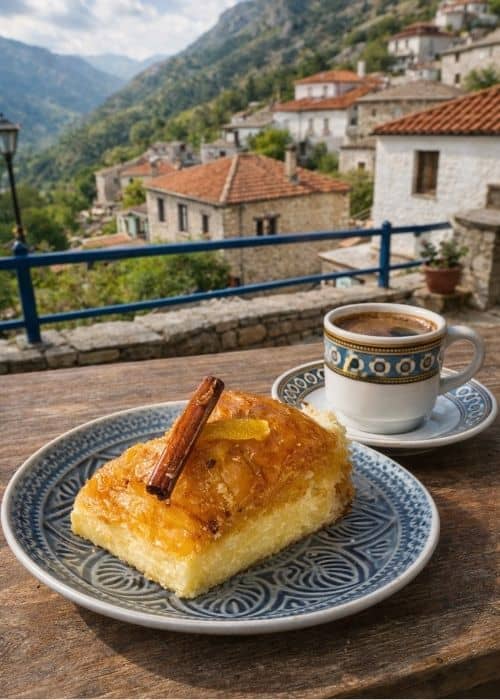
I’ve noticed something over the years.
People come to Greece, eat incredibly well… and still miss the point when it comes to desserts.
Not because they didn’t try them — but because they didn’t understand what they were eating or why Greeks care about them.
Greek sweets aren’t meant to impress you visually. They’re meant to sit well, pair with coffee, and make you slow down. If you’re expecting massive slices, extreme sweetness, or Instagram drama, you’ll think they’re boring.
If you’re paying attention, they’re unforgettable.
Here are the 10 Greek sweets you should absolutely try, with no exaggeration and no tourist nonsense.
1. Baklava (The Real One Is Balanced, Not Heavy)
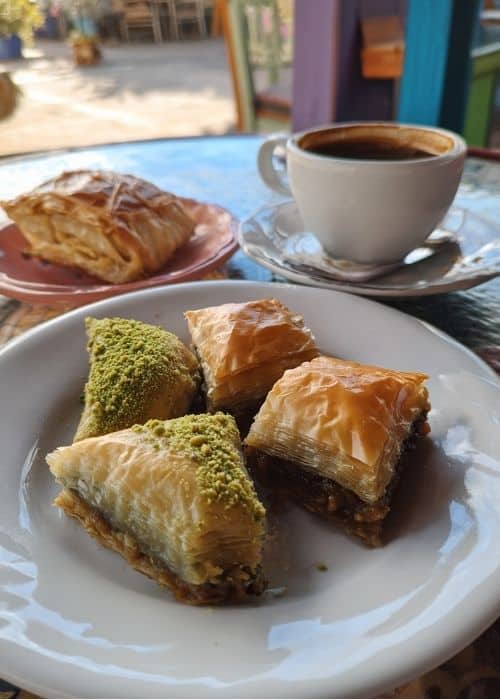
Everyone thinks they know baklava. Most people don’t.
Greek baklava is about thinness and restraint. Thin phyllo. Finely chopped nuts. Syrup that soaks, not floods. When it’s done right, it’s crisp on top, tender underneath, and never sticky in your mouth.
If it feels heavy, it’s bad baklava.
What to notice when you eat it:
- The layers should separate, not collapse
- You should taste nuts first, sweetness second
- One piece should feel satisfying, not exhausting
If you need a fork and a nap afterward, someone messed it up.
2. Galaktoboureko (This Is the Benchmark Dessert)
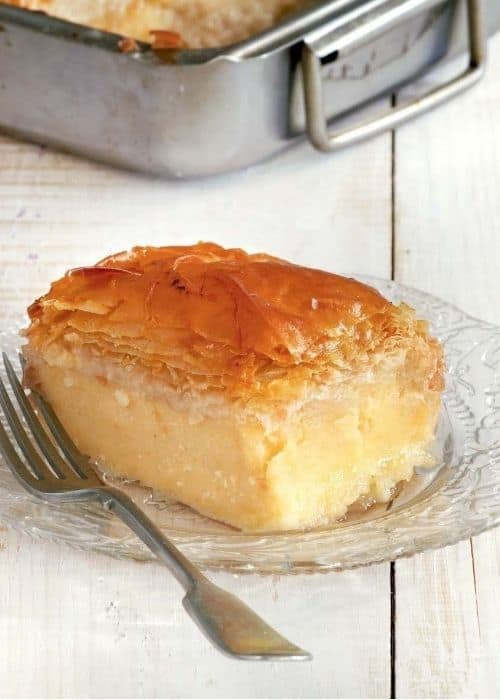
If someone asks me what Greek dessert represents us best, this is it.
Galaktoboureko is a semolina custard baked in phyllo and finished with syrup. Sounds simple. It’s not. The custard needs patience, the phyllo needs control, and the syrup timing matters.
Most people expect it to be heavy. It isn’t.
It’s:
- creamy without being rich
- sweet without being aggressive
- comforting in a very deliberate way
I’ve watched people who “don’t like sweets” finish their slice quietly. That’s usually the sign.
3. Loukoumades (Eat Them Immediately or Don’t Bother)
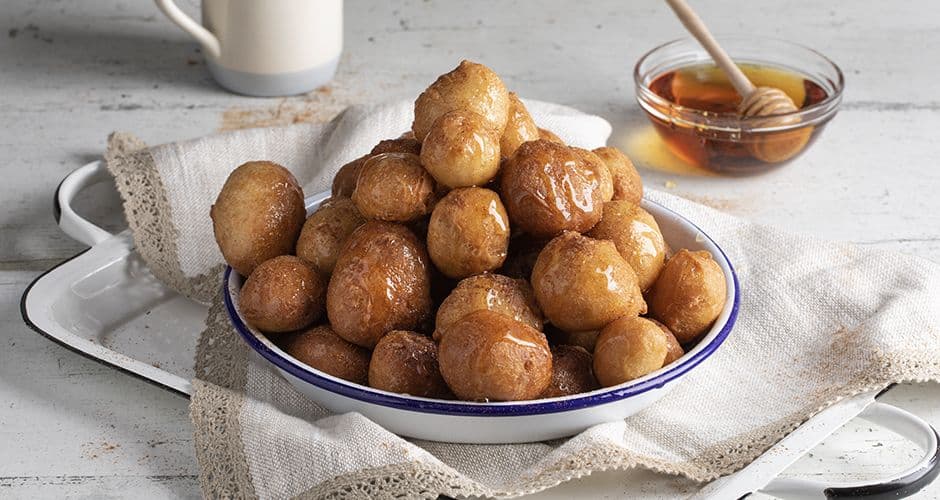
Loukoumades are small fried dough balls soaked in honey. That’s it. No reinvention needed.
They should arrive hot. If they’re lukewarm, they’ve already lost half their value.
The contrast is the whole point:
- crisp exterior
- airy interior
- honey soaking in, not sitting on top
They’re dangerous because they don’t feel heavy until suddenly they are.
Order one portion for the table. Then accept that it won’t be enough.
4. Kataifi (Messy, Crunchy, Worth It)
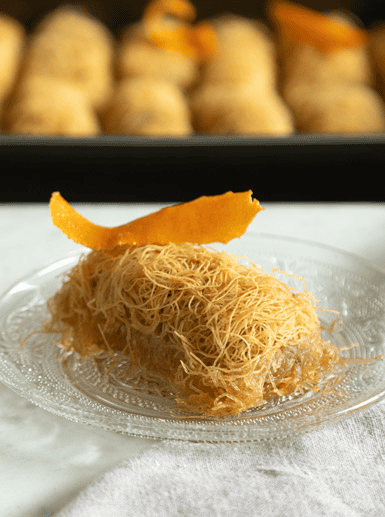
Kataifi uses shredded phyllo instead of sheets, wrapped around nuts and baked until deeply golden.
It’s less refined than baklava and more expressive. Crunchier. Stickier. Louder, in a way.
You don’t eat kataifi politely.
You eat it knowing syrup will end up on your fingers.
That’s part of it.
5. Rizogalo (The Dessert Greeks Don’t Overthink)
Rizogalo is rice pudding, and Greeks don’t try to make it something else.
Milk, rice, sugar, cinnamon. Sometimes lemon peel. That’s enough.
It’s served:
- at home
- in bakeries
- when you’re sick
- when no one wants anything heavy
It’s not exciting. It’s reliable. And that’s exactly why it works.
6. Melomakarona (Christmas or Not, They Matter)
Melomakarona are spiced cookies soaked in honey syrup and topped with walnuts. They smell like orange peel, cinnamon, and winter.
They’re soft, not crunchy. Aromatic, not sugary.
If someone makes them well, you don’t stop at one. If they make them badly, you don’t bother finishing it.
They’re seasonal for a reason — they belong to a specific time and mood.
7. Kourabiedes (Yes, the Sugar Gets Everywhere)
Kourabiedes are butter cookies with almonds, covered in powdered sugar. Completely.
They crumble. They coat your fingers. They fall apart if you’re not careful.
That’s not a flaw.
They’re rich without being sweet-heavy, and they pair perfectly with coffee. The sugar mess is part of the experience — anyone who complains about it missed the point.
8. Halva (The Dessert That Doesn’t Apologize)
Greek semolina halva is dense, filling, and honest.
Oil, semolina, sugar or honey, cinnamon. Sometimes nuts or raisins.
It’s not delicate. It’s meant to ground you. That’s why it shows up during fasting periods and everyday meals alike.
Eat it slowly. It rewards patience.
9. Spoon Sweets (Hospitality, Not Dessert)
Spoon sweets aren’t meant to impress you. They’re meant to welcome you.
Fruit preserved in syrup, served on a spoon with cold water. Sour cherry, fig, orange peel, bergamot.
You don’t ask for these. Someone offers them.
If you get spoon sweets in a Greek home, it’s not about the sugar — it’s about acknowledgment.
10. Portokalopita (The One People Underestimate)
Orange cake made with phyllo instead of flour, soaked in orange syrup.
It sounds strange until you try it.
It’s moist, fragrant, and surprisingly light. Not flashy, not traditional in the strict sense — but very Greek in spirit.
People usually say, “I didn’t expect this to be so good.”
That’s the point.
Quick Reality Check for Bakeries
| You want | Order |
|---|---|
| Crisp texture | Baklava, Kataifi |
| Creamy comfort | Galaktoboureko |
| Light finish | Rizogalo |
| Indulgence | Loukoumades |
| Tradition | Spoon sweets |
My Pick: Bougatsa (The Most Misunderstood Greek Breakfast Dessert)
Bougatsa is not just a sweet.
It’s a ritual, and in many parts of Greece, especially the north, it’s not even considered dessert — it’s breakfast.
At its core, bougatsa is thin, hand-stretched phyllo wrapped around a soft semolina custard, baked until the top shatters when you cut it. After baking, it’s dusted with powdered sugar and cinnamon. No syrup. No honey. That’s important.
What makes bougatsa special is the contrast:
- hot, crackling phyllo
- barely sweet, creamy filling
- sugar added after, not baked in
If it’s overly sweet, it’s wrong.
If the phyllo isn’t crisp enough to make noise, it’s wrong.
A Small Reality Check
Tourists often compare bougatsa to galaktoboureko. They shouldn’t.
| Bougatsa | Galaktoboureko |
|---|---|
| No syrup | Syrup-soaked |
| Breakfast or early snack | Dessert |
| Light sweetness | Richer, deeper |
| Northern Greece classic | Nationwide |
If you’re in Thessaloniki and skip bougatsa, you didn’t really visit.
And if you eat it cold, someone failed you.
Final Thought
Greek sweets don’t chase trends. They don’t rush. They don’t shout.
They sit next to coffee. They wait for conversation. They assume you’re not in a hurry.
If you come to Greece and give dessert the same attention you give dinner, you’ll understand something important about how we live.
And if you don’t — at least try the galaktoboureko.
About The Author
