Call us at +306949885983
Your Guide to Mainland Greece: Secrets & Places to Visit


There is no shortage of visitors to mainland Greece in any given year; it is one of the most popular destinations on the planet. And for good reason: you have the history, the scenery and a culture to be proud of.
Whether one is in the mood for the energy of Athens or the old-world feel of Delphi’s ruins, there is an experience to be had. The monasteries at Meteora are not to be overlooked, nor is Olympia, where the Games were born. What follows is a guide to some of the finer places to see and a few pointers for a trip you won’t soon forget.
Exploring Mainland Greece: Geography and Overview
Mainland Greece is a captivating region in southeastern Europe. It has diverse landscapes and historic treasures. From rugged mountains in the north to the enchanting coastline in the south, it’s full of beautiful places to see.
Geography:
At the heart of the nation lies Mainland Greece, running from the frontier with Albania and North Macedonia all the way to the Aegean. It is a land of distinct regions, every one of them with something to offer.
Up in the north, the Pindus range puts on a show with its high peaks and lush terrain. It is the place for a good hike or some winter skiing, not to mention the kind of views you get at Vikos Gorge.
The south has a different appeal. The coastline is hard to beat, with its fine sand and untroubled waters. Then there is the Peloponnese Peninsula, over on the other side of the Corinth Canal, where one will find no shortage of old-world charm in its towns and villages, as well as its share of history.
Mainland Greece Destinations:
There is no shortage of options in mainland Greece for the discerning traveler. A bit of history, a taste of the outdoors or some good cuisine – you will come across it here.
Delphi
Tucked into the side of Mount Parnassus, Delphi is a place of great historical and mythological weight. The site has the remains of the old Oracle and the Temple of Apollo, all with the valley to be had from the vantage point.
Meteora
A UNESCO World Heritage Site, Meteora is defined by its monasteries perched on high rock formations. It is as much about the scenery as it is for the kind of quiet, spiritual atmosphere one can put together there.
Athens
As the capital, Athens is where the country’s past and present coexist. One can take in the likes of the Acropolis and the Parthenon, then head out to some of the more animated markets and restaurants.
| Mainland Greece Destinations | Highlights |
|---|---|
| Delphi | Archaeological site, Oracle ruins, Temple of Apollo, scenic views |
| Meteora | Towering rock formations, monastic complexes, panoramic views |
| Athens | Acropolis, Parthenon, Plaka neighborhood, vibrant culture |
These are just a few of the amazing places in mainland Greece waiting for you. From ancient ruins and mythical spots to stunning views and friendly people, it promises a memorable trip.
Unraveling Ancient History: Historical Insights

There is no better way to get to know the deep roots of mainland Greece than to put in some time with its history. It is a place where you can come face to face with the kind of stories, people and turning points that have made an impact on the world. For that reason, it has a way of pulling in visitors from all over who want to see for themselves what the country’s past is like.
If one were to trace the timeline, it is easy to find the origins in the Bronze Age with such city-states as Mycenae and Sparta. They were the ones to put in motion the ideas of democracy, the arts and philosophy, leaving an indelible mark on the West.
Then there is the Classical period, which stands out in any account of Greek history. Athens was the hub of it all, home to the likes of Socrates, Plato and Aristotle, who redefined how we think. And if the Parthenon is any indication, their work in the realm of art and architecture
“The study of history is the best medicine for a troubled mind; for in history you have a record of the infinite variety of human experience plainly set out for all to see, and in that record you can find yourself and your country both examples and warnings, for you must surely strive to avoid the one and emulate the other.” – Livy
The Persian Wars: Defending Greek Civilization
The Greek city-states fought bravely against the Persian Empire in the Persian Wars. These battles, from 499 to 449 BCE, showed the Greeks’ strength, courage, and unity. They won at Marathon, Thermopylae, and Salamis, proving their bravery and will.
| Battle | Date | Outcome |
|---|---|---|
| Marathon | 490 BCE | Greek victory |
| Thermopylae | 480 BCE | Persian victory |
| Salamis | 480 BCE | Greek victory |
| Plataea | 479 BCE | Greek victory |
It was in these conflicts that Greek culture was preserved and the seeds of democracy were sown, allowing the Athenian model to come into its own.
One need only look at the ruins of Mycenae, Epidaurus or Olympia to find the narrative of mainland Greece. Such places are a link to bygone eras, an opportunity to see how they lived.
Then there is the Acropolis in Athens or the enigma of Delphi, where the past is never far away. It is here one can put together the pieces of old myths and the deeds of some of history’s most storied figures, from a people whose influence endures.
Athens – The Capital City Steeped in History

There is no better place in Greece to satisfy a hankering for history and culture than the lively capital of Athens. The city is an open book of the past, with enough to see and do to put you in another era.
Then there is the Acropolis. A UNESCO World Heritage site, it is the star of the show in Athens. From its vantage point above the city, with the Parthenon in full view, this old citadel gives you a sense of what made Greek architecture so remarkable.
A trip to the National Archaeological Museum is also in order. The museum has put together an impressive array of pieces that span millennia. One can come here for the fine work of a sculptor or some intricate jewelry and be right in the middle of it all.
“Athens is a city that seamlessly blends the ancient world with modern life. It’s a captivating place where you can immerse yourself in the rich history of Greece while enjoying vibrant neighborhoods and delicious cuisine.” – Traveler’s Magazine
No trip is complete without a stroll in Plaka. Tucked at the base of the Acropolis, the quarter is a tangle of narrow lanes with its share of good taverns and cafes to put in an appearance. A fine spot to have a taste of what the area has to offer and take in the atmosphere.
Then there is Monastiraki for something more contemporary. The draw here is the well-known flea market, where one can come by all manner of antiques and oddities to make for a good souvenir.
Read Also: Should You Visit Greece In October?
Top Attractions in Athens
| Attraction | Description |
|---|---|
| Acropolis | Ancient citadel with the iconic Parthenon |
| National Archaeological Museum | Home to a vast collection of Greek artifacts |
| Plaka | Charming neighborhood at the foot of the Acropolis |
| Monastiraki | Vibrant area with a bustling flea market |
Athens offers both ancient ruins and modern vibes. It’s an unforgettable journey. So, get your bags ready and start exploring one of the top things to do in Greece. History and modern charm come together here.
Thessaloniki – A Treasure Trove of Byzantine Heritage

There is a lot to be said for Thessaloniki. As the second-largest city in Greece, it has an abundance of history and culture to offer, with a seamless blend of the old and the new.
For anyone with an appreciation for art and the past, the city’s Byzantine legacy is hard to miss. It is a place where you can come face-to-face with some of its more prominent landmarks. Take the White Tower, for instance. This 15th-century structure on the waterfront is one of the city’s defining features; a visit to the top for a view of the Aegean is as good a way as any to get a sense of Thessaloniki’s maritime roots.
Then there is the Rotunda. Originally a Roman mausoleum before being converted into a church, it is a fine example of the city’s storied past, not to mention the quality of its mosaics. The Archaeological Museum is well worth a stop as well, with its collection of pieces from the Macedonians and the finds at Vergina that put the region’s history in perspective.
But Thessaloniki is not all about the monuments. A stroll through town will make that clear. Head to Aristotelous Square, the center of it all, and you will find no shortage of cafes and street life. For a change of pace, the upper town of Ano Poli is a nice spot to wander, with its older homes and tight streets.
The cultural side of things is strong here, too. In addition to the film festival and various galleries, the food scene is something to be enjoyed. Whether it is at a market or a taverna with some mezé, the local fare is part of the experience. All in all, the mix of heritage and what the city has to see puts Thessaloniki at the top of the list for those looking to delve into Greek history.
Delphi – The Mythical Oracle and Historical Ruins

Nestled on the flanks of Mount Parnassus in mainland Greece, Delphi is a site of no small consequence. In antiquity, it was the destination for those from across the known world who wanted to put their questions to the Oracle of Apollo.
There is much to be found in the city that speaks to its storied and enigmatic past. The Temple of Apollo, for one, is a must; as the home of the god of light and prophecy, it is hard not to be struck by a sense of reverence when strolling among the remains.
To get a better handle on what made Delphi so significant, the Archaeological Museum is worth a trip. The collection on display—statues, inscriptions, and pieces of jewelry—gives a clear picture of how the ancient Greeks lived and what they held dear.
Then there is the theater. It is in fine shape for an amphitheater of its age, and with some imagination, one can hear the echoes of the applause and see the kind of spectacles that were once put on for the crowd.
The Oracle of Delphi: Insights into Ancient Prophecy
There is no place as well known for its Oracle as Delphi. The priestess was thought to be the link between the mortal and the divine, and those in search of a prophecy would make their way to her for some direction on matters of consequence.
Her pronouncements were not to be taken lightly; the Oracle’s word was law in a sense. It was common for a king or head of state to travel great distances to be in her presence, with the outcome often having an impact on everything from the course of a war to the inner workings of politics.
“Know thyself” – An inscription found at the Temple of Apollo in Delphi
“Know thyself” is a famous saying from the Oracle of Delphi. It meant understanding oneself, knowing one’s strengths and weaknesses, and finding one’s place in the world.
Delphi: A Journey into the Past
Visiting Delphi takes you back in time. You’ll see ruins, monuments, and learn about the Oracle. It’s a must-see for those who love history and are curious about the ancient world.
| Delphi Attractions | Description |
|---|---|
| Temple of Apollo | Explore the iconic temple dedicated to the god of light and prophecy. |
| Delphi Archaeological Museum | Discover a wide range of artifacts that offer insights into ancient Greek civilization. |
| Delphi Theater | Marvel at the well-preserved ancient amphitheater, once host to grand performances. |
The Magnificent Meteora Monasteries
Few places in Greece are as compelling as the Meteora Monasteries. Tucked away in the central mainland not far from Kalambaka, they are an essential stop on any itinerary.
“Meteora” is a name well-earned; it translates to “suspended in the air,” and with these monasteries perched atop towering rock pinnacles, the description is apt. The combination of their setting and the way they are built is nothing short of remarkable.
For as long as the 14th century, hermit monks have made the Meteora Monasteries their home in search of a place to be alone and to reflect. Of the 24 that were put up back then, six are open to the public today.
You will find some of the most notable among them at the Great Meteoron and the Varlaam. The former is the largest and has been around the longest; it is home to some rare pieces and fine vantage points. Then there is the Varlaam, well known for the quality of its woodwork and the way it is adorned. A bridge leads to it, where one can take in the scenery and get a sense of what monastic life is like.
Visiting the Meteora Monasteries
For a proper look at the Meteora Monasteries, one can do no better than to be part of a guided tour. The guides put the place in perspective with some background on its history and architecture, as well as its role in the faith, for an experience that is as pleasant as it is educational.
A word to the wise: attire should be modest out of respect for the site. And since there are some inclines to be had on the way to certain monasteries, good walking shoes are a must.
In the end, a trip to the monasteries is something you will not soon forget. There is a sense of being transported to another era, where you can see the kind of ingenuity and piety that built these places. With the views, the atmosphere and the weight of history, it is hard to top this as a destination in mainland Greece.
Olympia – Ancient Games & Archaeological Wonders

Olympia is where the Olympic Games made their first mark. A part of Greece with a way of getting to you, it is steeped in the kind of history that lingers. In these surroundings, one can appreciate the importance the Greeks put on being in good physical form and having the skill to back it up.
Uncovering Olympia Attractions
A good way to start is with a visit to the Archaeological Museum of Olympia. The collection on display here tells the story of the ancient games. There are some fine pieces to be had: sculptures, weapons and trinkets of a bygone era that give a sense of how things were in those days.
The Archaeological Museum of Olympia is a treasure trove of ancient artifacts that transport visitors back in time.
Make your way to the Ancient Olympic Stadium, the very spot where it all began. There is a certain weight to the place when you are on the ground where competitors of old made their mark; one can almost hear the roar of the spectators.
After that, put in an appearance at the Temple of Zeus. As one of the Seven Wonders, it has a way of impressing with its massive columns and fine workmanship. It was here, after all, that the king of the gods was venerated.
Discovering Olympia’s Legacy
Held in Olympia, the Olympic Games were never just about the competition. They stood for a kind of unity and peace, a pursuit of one’s finest. It was where competitors from across Greece would put aside any old rivalries to be part of something greater.
With roots in the 8th century BC, Olympia is one of the most important archaeological sites in the country. In many ways, what happened here has left its mark on the way we view sport now and continues to be a source of motivation for those in the arena.
| Ancient Olympia Attractions | Highlights |
|---|---|
| Archaeological Museum of Olympia | Expansive collection of ancient artifacts |
| Ancient Olympic Stadium | Birthplace of the Olympic Games |
| Temple of Zeus | Home to one of the Seven Wonders of the Ancient World |
Olympia is a place of great beauty and history. Dive into its ancient past, follow in the footsteps of athletes from long ago, and see the incredible sights that have lasted through time.
The Picturesque Peloponnese Peninsula
Down in the south of Greece, you have the Peloponnese Peninsula, a place with as much character as it does scenery. With its deep history and some of the finest beaches in the country, it is a draw for anyone with an interest in the past or a hankering to be by the water.
The region is well-regarded for its coastline. Whether one is after a secluded cove or the livelier side of a resort, there is no shortage of options. It is an ideal setting for a day of swimming or some water sports. For a taste of what the area has to offer, head to places like Navarino Bay, Porto Heli, or Costa Navarino.
Historical Treasures and Archaeological Sites
The Peloponnese is full of history. It has many ancient sites that show its rich past. You can visit Mycenae, see the famous Lion Gate, and go to the ancient theater of Epidaurus. These places are great for history lovers and photographers.
Natural Wonders and Outdoor Adventures
The Peloponnese is full of natural beauty. You can explore the Diros Caves, an underground world with amazing formations. Or hike in the Taygetos Mountain Range for stunning views. It’s perfect for those who love the outdoors.
Quaint Villages and Local Delights
There is no better way to spend some time in the Peloponnese than to get to know its villages. In Nafplio, one can find an array of fine Venetian architecture and a cafe or two for a quiet moment. Then there is Kardamyli, well known for the quality of its olive oil and the good food on offer. The people here are as open as they are friendly.
It is a region with all the makings of an ideal getaway. Whether the plan is to put in some hours at the beach, walk through some history, or be out in the elements, the Peloponnese has it. A visit is sure to be one of those that you will want to put in the diary again.
Highlights of the Peloponnese Peninsula
| Attraction | Description |
|---|---|
| Navarino Bay | A beautiful bay with golden sandy beaches and clear turquoise waters. |
| Porto Heli | A vibrant seaside town with picturesque beaches and a lively atmosphere. |
| Costa Navarino | A luxury resort complex offering world-class accommodations and facilities. |
| Mycenae | An ancient city known for its impressive fortifications and the Lion Gate. |
| Epidaurus | Ancient theater renowned for its remarkable acoustics and classical performances. |
| Olympia | Site of the ancient Olympic Games and home to the Temple of Zeus. |
| Diros Caves | A magical underground world filled with stunning stalactites and stalagmites. |
| Taygetos Mountain Range | A paradise for outdoor enthusiasts, offering hiking and biking trails. |
| Nafplio | A charming town with Venetian architecture and a romantic atmosphere. |
| Kardamyli | A quaint village known for its olive oil production and delicious local cuisine. |
Mount Olympus – Home of the Gods
Located in the north of Greece, Mount Olympus is a key figure in Greek mythology. It was, after all, the abode of the gods, and that is what has put it on the map. Today, visitors make the trip to take in the scenery and some of the stories that go with it.
For an outdoor enthusiast, there is no better destination. The mountain has something for everyone, whether one is just starting out or is a seasoned hiker. The paths wind through woodlands and more demanding ground, with the Aegean Sea and the surrounding country on full display.
One can pick from a number of routes, the E4 being among them. Any of them will provide a good workout, a feeling of having done something, and some fine vistas.
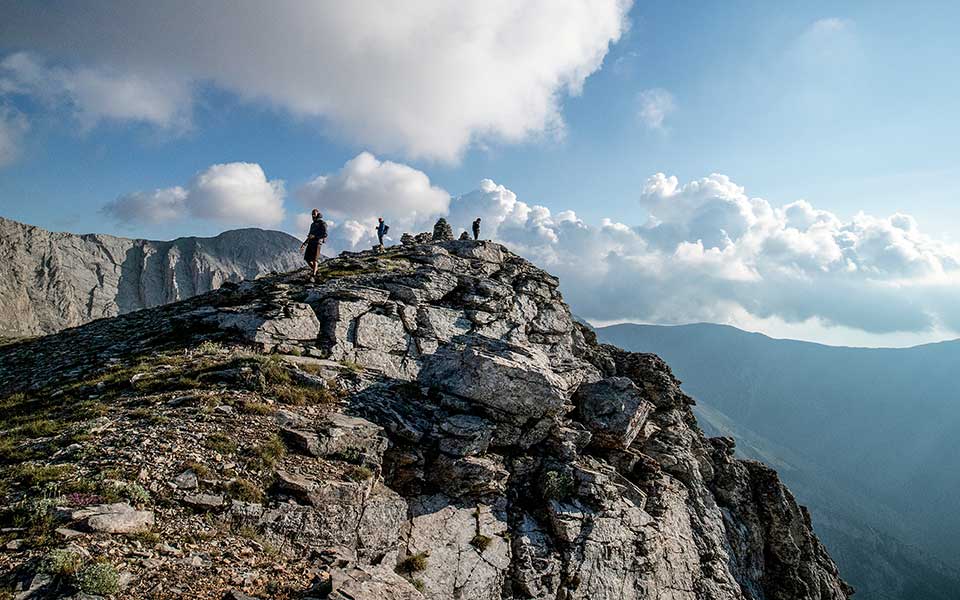
Mount Olympus is full of stories from ancient Greek culture. Legends say it was where the twelve Olympian gods lived. Zeus, the most powerful god, lived at the top. The stories of these gods still inspire and fascinate people today.
“Mount Olympus, towering above the clouds, was a place of divine power and intrigue. Its peaks echoed with the footsteps of the gods, and its slopes witnessed the unfolding of mythical stories that shaped the ancient world.”
Dion is the place to be for a deeper look at Mount Olympus. The local museums and archaeological sites have their share of old-world artifacts and can tell you what the mountain’s religious rites were like in bygone days.
As for a trip up the mountain, some preparation is in order. See what the forecast is and put together the proper equipment: sturdy footwear, layers for when the weather turns, and plenty of provisions. And there is no harm in making arrangements with a guide who has the trails down pat.
Mount Olympus Hiking Trails:
| Trail | Difficulty | Distance | Estimated Time |
|---|---|---|---|
| E4 Trail – Prionia to Refuge A | Intermediate | 8 km | 4-5 hours |
| E4 Trail – Refuge A to Refuge B | Advanced | 6 km | 4 hours |
| Mytikas Summit Trail | Challenging | 2 km | 6-7 hours |
| Gorge of Enipeas Trail | Easy | 8 km | 3-4 hours |
These are just a few of the trails you can take on Mount Olympus. Each one offers a special experience, letting you enjoy the beautiful landscapes and myths of this famous mountain.
So, put on your hiking boots, start your adventure, and visit Mount Olympus. It’s a place where nature and mythology come together.
Delightful Greek Cuisine and Local Delicacies
A trip to the Greek mainland is as much about the food as it is the scenery. The country’s cuisine has a way of making an impression with its time-honored recipes and bold, unadulterated flavors.
There is a certain no-fuss approach to how things are prepared here. The idea is to let the quality of the produce speak for itself, with olive oil and a handful of herbs and spices providing the finishing note.
Then there is the Greek salad. You can’t come to Greece and not have one. With its mix of tomatoes, cucumbers, feta and olives, and a good pour of oregano and olive oil on top, it is a dish with universal appeal.
Greek Meze: A Culinary Journey
You won’t have a proper Greek meal without some meze, those small plates of appetizers made for putting in the middle of the table and having with company. If you are in the mood, put in an order for some spanakopita or dolmades.
Regional Delights
The way to see the breadth of what the country has to offer is to travel. Head to Epirus for a kontosouvli, a fine meat stew. In Crete, make time for dakos: barley rusk, tomatoes and feta. And in Thessaly there is tyropita, a pastry with all the right amount of cheese.
Seafood Extravaganza
Then there is the matter of the coast. Greece is as good a place as any for a seafood enthusiast. With so much of it to go around, the fish and shellfish are hard to beat. A bit of grilled octopus, some fried calamari, or a whole fish baked with lemon and olive oil while you are by the water is the way to go.
Sweet Temptations
Then there are the desserts, which in Greece are a thing of beauty. You can have some baklava to see how phyllo, nuts and syrup come together, or put in for a plate of loukoumades, those honey- and cinnamon-dusted dough balls. If you want to keep it on the lighter side, a bit of Greek yogurt with honey and a few nuts will do.
Making your way through the food scene in mainland Greece is as much an adventure as it is a meal. Whether it’s meze, fresh seafood or a sweet finish, the options are there for all tastes. Best to arrive with an appetite and let the culinary experience take over.
Navigating Mainland Greece: Practical Travel Tips
Planning a trip to mainland Greece? Make sure you have the right travel advice for a smooth trip. This guide covers transportation, best times to visit, and more to help you enjoy your journey.
Transportation
Getting around mainland Greece is easy thanks to its good transport system. Renting a car is a great way to see the sights at your own pace. You can also use buses and trains to travel between cities and tourist spots. For easy travel, consider hiring a private driver or joining a guided tour.
Best Times to Visit
Mainland Greece has a Mediterranean climate with mild winters and hot summers. Spring (April to June) and autumn (September to October) are the best times to visit. The weather is nice, and there are fewer people around. Summer (July to August) is great for beach lovers and those who enjoy a lively atmosphere.
Accommodation Recommendations
There is no shortage of accommodation in mainland Greece to suit any budget or preference. One can put up in a high-end resort or a more modest, well-kept boutique hotel. It is wise to make a reservation in advance, when the season is at its peak, to be sure of having the room you want.
Armed with this advice, a visit to the Greek mainland should be a fine one. Whether it is for the history in Athens or the monasteries at Meteora, there is plenty to be had.
10-Day Itinerary for Mainland Greece (Example)
Day 1: Arrival in Athens
Make your way to Athens first, where the old and the new coexist. The Acropolis and the Parthenon are must-sees for a taste of some of Greece’s finest workmanship. A stop at the Acropolis Museum is in order as well; it is the place to be for a look at the artifacts of yesteryear. When night falls, put in some time in the Plaka, one of the more endearing parts of town, and have a meal at a taverna the way they do in Greece.
Day 2: Athens Sightseeing
There is no better way to open the day than a trip to the Ancient Agora, once the centre of all things in Athens. A short walk will bring you to the Temple of Hephaestus, where you can see for yourself how well it has been kept over the years. When the afternoon comes, put in some time at the National Archaeological Museum to take in its extensive holdings. Make your way to the Monastiraki Flea Market for a bit of a browse. To close out the day, head up to Lycabettus Hill for the sunset and then have a meal with a vantage point on the Acropolis from one of the city’s fine rooftop spots.
Day 3: A day in Delphi
An early start will see you on the road to Delphi, the archaeological site that was once the navel of the world for the ancient Greeks. Make time for the Temple of Apollo, the old Theatre and the Stadium, as well as the fine collection at the Delphi Archaeological Museum. Afterward, a good lunch in the scenic town of Arachova is in order before the drive back to Athens for an uneventful evening.
Day 4: On to Nafplio
We make our way out of Athens to Nafplio, a coastal town with a certain romance to it and some of the finest architecture in the country. The Palamidi Fortress is not to be missed; from up there the views are hard to beat. There is also a short boat ride to the Bourtzi Castle in the harbor. In the evening, put in some miles on foot through the town’s more attractive quarters and have some local seafood.
Day 5: Mycenae and Epidaurus
The morning is for Mycenae, a former hub of Greek civilization. You can walk the grounds to see the likes of the Lion Gate and the Treasury of Atreus. From there, head to Epidaurus for the theatre, famous for how sound carries in the space. Back in Nafplio by nightfall for a quiet dinner and to put your feet up.
Day 6: Heading to Olympia
A drive from Nafplio to Olympia, where the Games were born. The site has much to offer, from the Temple of Zeus to the Palaestra and the old Stadium. The museum here is well worth a while to see what has been put on display. Then it is over to the hotel for some down time and an evening meal.
Day 7: To the monasteries of Meteora
Leaving Olympia, we put in the hours to get to Kalambaka and the approach to Meteora. Once there, you can begin to take in the monasteries that sit atop the rock pinnacles. An afternoon or so to see a few of them and to appreciate the scenery. Check in and have a meal with the cliffs in view.
Day 8: More of Meteora
This is a day set aside for the monasteries. There are several to be had, each with its own character and a window on the life of the Greek Orthodox tradition, not to mention the vantage point they provide. We will be back in Kalambaka for the night.
Day 9: Thessaloniki
The drive to Thessaloniki, the country’s second city and full of life, brings you to the White Tower, the city’s calling card. The Archaeological Museum is a good place to get a handle on the area’s history. Later on, a walk on the waterfront and a table at a taverna to end the day.
Day 10: The last of Thessaloniki
Your time in the city is best spent with the Rotunda and the Galerius Arch, remnants of the Roman era, and a look at the Byzantine Walls for a broad view of the city. Some shopping and a final look around before you leave the hotel. A transfer to the airport will bring this tour of Mainland Greece to a close.
Travel Tips:
A car is the way to go if one wants some flexibility and ease. It is best to put in hotel reservations ahead of time, with peak season being no exception. To get a true sense of the place, make a point of sampling what each area has to offer. And when it comes to any archaeological sites, be sure to have on a good pair of shoes and a bottle of water.

Immersing in Greek Culture: Arts, Festivals, and Traditions
For those making their way around the Greek mainland, there is no better way to get a feel for the local culture than to put in some time at its festivals and events. It is an opportunity to see the country’s heritage up close, be it through the arts or a bit of traditional dancing.
Greece has a festival for every season, and they are a window into the nation’s past. Whether it is the carnival in Patras, Easter in Corfu, or the music and dance on offer in Athens, these occasions have a way of uniting people and putting the full breadth of Greek life on display.
Then there is the matter of music and dance, which are as much a part of the fabric of Greece as anything else. You will come across the syrtos or hasapiko at a festival, with the bouzouki providing the soundtrack. These are not just performances; they are family traditions that have been handed down and in doing so, they keep the spirit of the place alive.
“Greek festivals offer a vibrant and immersive cultural experience, allowing travelers to witness the traditions, music, and dances that have shaped the country’s identity for centuries.”
Art and Architecture: You won’t have to look far for the art and architecture that has put Greece on the map. There is the Parthenon in Athens, or the fine mosaics of Thessaloniki, all testaments to an artistic past. A trip to one of the country’s museums will put you in front of some of the old-world sculptures and pottery, and in doing so, make the reach of Greek art on the world very clear.
Theater and Literature: This is a place with a strong literary and theatrical tradition. It was home to such notables as Sophocles and Euripides. To be in the audience at Epidaurus or the Odeon of Herodes Atticus is to step back to the very origins of Western theater.
In the end, time in Greece is something you don’t forget. From the scale of the festivals to the pull of a traditional tune, from the art in the galleries to the stage, it is an experience that puts you in touch with the history and customs of the land.
| Festival | Location | Date |
|---|---|---|
| Olympia Cultural Festival | Olympia | July-August |
| Apokries Carnival | Patras | February-March |
| Easter Celebrations | Corfu | April |
| Athens Epidaurus Festival | Athens & Epidaurus | June-August |
Conclusion
There is something to be said for a trip to mainland Greece. It is an experience in the truest sense, with a mix of fine cuisine, culture and some of the most striking scenery you will come across.
One might head to Athens to take in the Parthenon, or make for the enigmatic Delphi and the monasteries at Meteora. The Peloponnese and Mount Olympus are also well worth a detour. For anyone with an interest in the past, these archaeological sites have a way of telling their own tale.
Then there is the matter of the food. A plate of souvlaki, some good tzatziki, or an ouso to cool down—Greece has a way of making even a simple meal memorable.
It is time to put some plans in motion for a visit to the mainland. Go and see what the country has to offer, from its old-world charm to the kind of moments that do not fade away.
FAQ
What are some must-see attractions in mainland Greece?
Mainland Greece is full of amazing places to see. Don’t miss the Acropolis and Parthenon in Athens. Also, check out the Meteora Monasteries, Delphi, the Peloponnese Peninsula, and Mount Olympus.
What are some travel tips for visiting Greece?
When in Greece, dress modestly at religious sites. Always carry cash since some places might not take cards. Respect local customs and traditions. Also, try the local food and learn about Greek mythology and history.
What are some popular cultural experiences in mainland Greece?
Mainland Greece has lots of cultural activities. You can go to traditional festivals, watch Greek dances and music, and visit ancient sites. These experiences let you dive into the country’s history and myths.
How can I explore mainland Greece?
You can explore mainland Greece in many ways. Try self-guided tours, group tours, or hire a local guide. Renting a car lets you go at your pace. Or, use buses and trains if you don’t want to drive.
What is the best time to visit mainland Greece?
The best time to visit is in spring (April to June) and autumn (September to October). The weather is nice, and it’s less crowded than in