Call us at +306949885983

5 Mistakes That Can Ruin Your First Trip to Greece

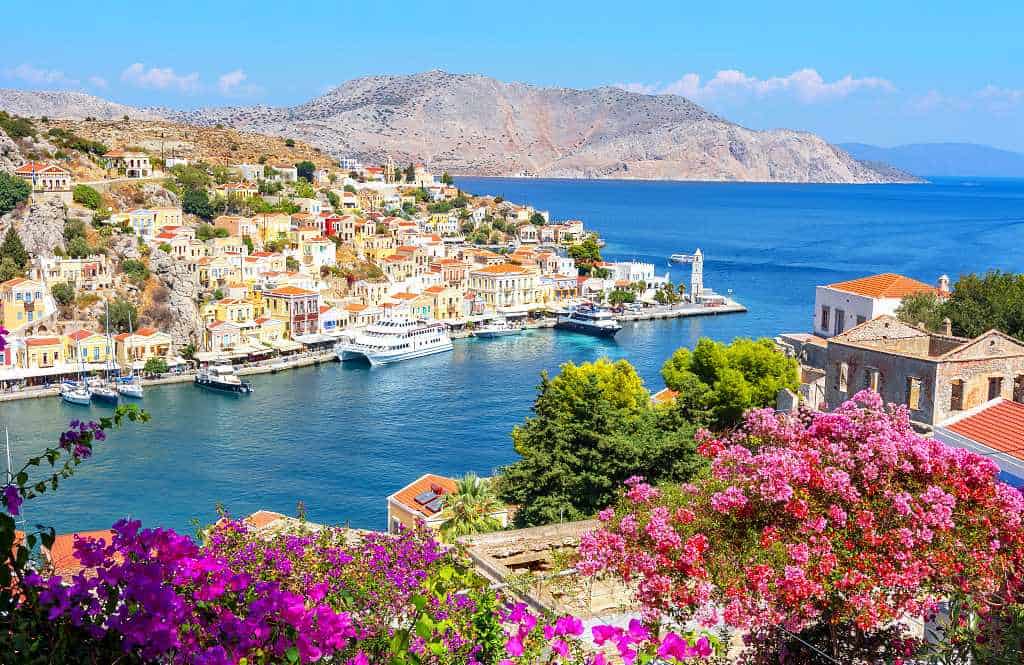
Your first trip to Greece should be unforgettable. But one bad booking decision, an unrealistic itinerary or a ferry connection that goes wrong can cost you hundreds of euros and turn a dream holiday into a stressful experience.
You have probably seen the photos.
Santorini’s famous sunset. Mykonos beach clubs. Athens and the Acropolis. Small tavernas where dinner stretches into the evening, and islands where the sea looks almost unreal.
Greece has all of these things. But planning a trip here is not quite as simple as choosing a few beautiful places on a map.
The country has thousands of islands and a surprisingly varied mainland. Some destinations are easy to combine, while others require several hours of travel. A hotel that looks perfect online might be inconvenient without a car. And a cheap flight can become an expensive mistake if you have not thought about how you will reach your next destination.
The good news? Most of these problems are avoidable.
If you are visiting Greece for the first time, here are five mistakes worth avoiding before you book anything.
1. Trying to Visit Too Many Greek Islands in One Trip
This is probably the biggest planning mistake first-time visitors make.
You look at a map of Greece and notice that several famous islands appear close together. Santorini, Mykonos, Paros, Naxos and Milos all look like they should fit neatly into one holiday.
So you plan to visit four or five islands in seven days.
It sounds exciting. In reality, you might spend more of your holiday packing, checking out of hotels, waiting at ports and travelling than actually enjoying the places you came to see.
And here is the part that many itineraries overlook: getting from one Greek island to another is not always as quick or straightforward as it looks on a map.
Ferry journeys vary considerably. Some routes have frequent connections, while others operate less often or require a change of ferry. Schedules can also vary by season.
A journey that looks simple on a map can take up a substantial part of your day once you account for getting to the port, waiting to board, travelling and reaching your next hotel.
Then there is the cost.
Every extra island can mean another hotel booking, another transfer, additional meals during travel and potentially another ferry ticket. If you are travelling as a couple or family, those costs add up quickly.
How many islands should you visit?
For a first trip of seven days, two destinations can be a sensible starting point. For ten to fourteen days, you may have time for two or three, depending on the connections and how much time you want to spend in each place.
Here are three combinations worth considering:
- Athens and Naxos: Combine ancient history, city life and a larger island with beaches, villages and local food.
- Athens and Santorini: A good option if you want to see the Acropolis and experience one of Greece’s most famous island destinations.
- Paros and Naxos: Two Cycladic islands that can work well together, provided the ferry schedule fits your dates.
These are examples, not universal recommendations. Your best combination depends on your arrival airport, travel dates, budget and interests.
The trick experienced travellers use
Choose your main destination first. Then check the actual transport connections before booking the next hotel.
Do not assume that a ferry runs every day at the time you want. Check the route for your specific dates, especially outside the peak summer season.
If you have an international flight home from Athens, consider returning to the city the day before rather than relying on a same-day island ferry connection.
A little extra time on one island is often more enjoyable than squeezing in another destination just to say you visited it.
The goal is to experience Greece, not collect hotel check-ins.
2. Booking a Hotel Because of the View Instead of the Location

Imagine finding a hotel with an incredible view of the Aegean Sea.
The photos are beautiful. The reviews are excellent. The price seems reasonable compared with other properties nearby.
You book it.
Then you arrive and discover that reaching the nearest restaurant involves a long uphill walk, the closest bus stop is inconvenient, and taking a taxi every time you want to go somewhere is eating into your budget.
The hotel itself might be wonderful. It is simply in the wrong location for the trip you planned.
This is particularly important on islands where accommodation can be spread across several villages and resorts.
Santorini is a good example. Staying in Oia, Fira, Imerovigli or a beach resort can produce very different experiences. Some locations are convenient for restaurants and sightseeing, while others are better suited to travellers who want a quieter stay or have arranged their own transport.
The same principle applies to Crete, Rhodes, Corfu and many other destinations.
A property can be advertised as being on a famous island without being particularly close to the places you want to visit.
Check these five things before booking
- Distance to the places you want to visit: Look beyond the straight-line distance on a map.
- Public transport: Find out where the nearest bus stop is and whether the route operates at convenient times.
- Restaurants and supermarkets: If you do not plan to rent a car, check what you can reach on foot.
- The terrain: Hills, steps and uneven paths can make a short distance much harder than expected, particularly with luggage.
- The real total cost: Include transfers, parking, resort fees or applicable accommodation taxes, and transport to restaurants or beaches.
There is another detail worth remembering.
The cheapest room is not necessarily the cheapest option overall.
A hotel that costs €40 less per night but requires expensive transfers every day could end up costing more than a slightly pricier property in a convenient location.
For a five-night stay, compare the total cost rather than focusing exclusively on the nightly rate.
When paying more for the location makes sense
If you are visiting Athens for only two or three days, staying somewhere with convenient access to the metro and major sights can save valuable time.
If you want a beach holiday, a hotel near the beach you actually intend to use may be more useful than a cheaper property several kilometres inland.
And if you are visiting Santorini primarily for the caldera views, paying for the right location might be worth it.
The key is to decide what matters most to you before booking.
Do you want nightlife? Beaches? Historic sites? Restaurants within walking distance? A quiet village?
Choose your accommodation around that answer.
A beautiful hotel cannot compensate for spending half your holiday trying to get somewhere.
3. Assuming Greece Is Always Hot and Sunny

Greece has a reputation for sunshine, and for much of the year that reputation is deserved.
But some visitors make the mistake of treating the entire country as if it has the same weather throughout the year.
It does not.
A summer afternoon on a Cycladic island is very different from an evening in mountainous northern Greece in October. Athens can remain pleasantly warm in autumn, while higher elevations can experience much cooler conditions.
Even during summer, strong winds can affect ferry services, and high temperatures can make sightseeing more tiring than expected.
The problem is not simply choosing the wrong month. It is packing and planning as though the weather cannot change.
What should you expect in different seasons?
May and June
These months can be excellent for sightseeing, walking and exploring many destinations before the busiest part of summer. Conditions vary by region, but you may find a useful balance between warm weather and manageable crowds.
July and August
These are popular months for beach holidays, but temperatures can become extremely high, especially in cities. Famous islands can also be crowded and accommodation prices can rise substantially.
If you plan to explore archaeological sites, schedule outdoor sightseeing for the cooler parts of the day and carry water.
September and October
These months can be attractive for travellers who want to avoid some of the peak-season crowds. However, conditions become less predictable as autumn progresses, and some seasonal businesses reduce their opening hours or close.
November through March
Greece does not shut down completely in winter. Athens remains a year-round city, and mainland destinations offer a different side of the country. However, some island resorts and seasonal tourist businesses operate on reduced schedules.
If you expect every beach club, excursion and restaurant to be operating as it does in August, you could be disappointed.
The packing mistake that catches people out
Travellers often pack exclusively for the daytime temperatures.
But evenings can feel cooler, particularly on islands exposed to the wind or in mountainous areas.
Bring layers rather than relying entirely on summer clothes. Comfortable walking shoes are also important because Greek holidays often involve far more walking than visitors expect, especially around archaeological sites, villages and historic centres.
If you are travelling in spring or autumn, check the forecast shortly before departure and pack a light jacket or rain layer when appropriate.
One more thing: do not ignore the wind
Ferries are an essential part of island travel, and adverse weather can lead to delays, schedule changes or cancellations.
If your itinerary depends on taking a ferry on the same day as an international flight, you are accepting a risk that is easy to avoid.
Allow a buffer, particularly when travelling in periods of unsettled weather.
A little flexibility can save you from a very expensive last-minute change.
4. Thinking the Famous Islands Are the Only Places Worth Visiting

Santorini and Mykonos are famous for good reasons. They offer distinctive scenery, memorable experiences and a level of international recognition that few Greek destinations can match.
But there is a problem when your entire idea of Greece comes from the same handful of photographs.
You might overlook places that suit your interests just as well, sometimes at a lower overall cost or with a different atmosphere.
Greece is not a single type of holiday.
It is a country of islands, mountain villages, archaeological sites, forests, lakes, coastal towns and historic cities. You can spend one trip swimming in the Aegean and another exploring ancient ruins or walking through the countryside.
And some of the most rewarding experiences happen far away from the destinations that dominate social media.
Consider these alternatives

The right choice depends on what you want from your holiday.
If you dream of the famous Santorini sunset, go to Santorini. If you want a lively beach club scene, Mykonos may be exactly what you are looking for.
But if you want to discover a different side of Greece, do not automatically copy somebody else’s itinerary.
How to choose the right destination
Ask yourself three questions:
- Do I want beaches and nightlife, or history and local culture?
- Do I prefer to explore independently, or do I want organised excursions?
- Would I rather spend my budget on a famous location or on a longer, more varied trip?
Your answers can change the entire holiday.
You may discover that the best destination for you is not the one with the most Instagram posts.
It is the one that matches the experience you actually want.
5. Forgetting the Small Costs That Add Up

You find affordable flights, book a hotel and set aside a budget for restaurants and activities.
Everything looks manageable.
Then you start paying for airport transfers, ferry tickets, checked luggage, beach sunbeds, excursions and meals during travel.
Suddenly, your carefully calculated budget is no longer so accurate.
This is one of the easiest mistakes to make because each individual expense can seem relatively small.
But several small costs repeated over a week can make a substantial difference to the final bill.
The expenses you should calculate before you leave
Airport transfers
Check the cost of getting from the airport to your accommodation. In Athens, the metro, airport express buses and taxis have different prices and journey times. On islands, the available options vary by destination and arrival time.
Do not assume that your hotel is close enough to reach cheaply just because it looks close on a map.
Ferries and luggage
Compare ferry fares for your exact route and dates. Check whether the fare includes the options you need and how much extra luggage or a vehicle might cost.
Booking early can provide more choice on popular routes, although the best fare depends on the operator, route and ticket conditions.
Accommodation charges
Check the full booking conditions, including any applicable Greek climate crisis resilience fee or other disclosed charges payable at the property.
The amount can depend on the type of accommodation and the season, so confirm the current rules rather than relying on an old travel article.
Beach expenses
Some beaches are free to visit, while organised beach areas may charge for sunbeds, umbrellas or other services. Prices can differ substantially between locations.
If you plan to spend several days at beach clubs, include those costs in your budget before choosing your destination.
Restaurants and drinks
You do not need to spend a fortune to eat well in Greece, but prices vary by location and establishment.
A restaurant directly overlooking a famous attraction may charge considerably more than one a few streets away. Check menus before sitting down if you are working with a strict budget.
Tours and entrance tickets
If a particular archaeological site, museum or excursion is a priority, check the official booking arrangements and opening times in advance.
Popular activities can have limited availability, while some attractions have seasonal schedules.
A simple way to prevent budget surprises
Create a realistic trip budget before booking.
| Expense | What to calculate |
|---|---|
| Flights | Return flights, baggage and seat fees |
| Accommodation | Total stay and applicable additional charges |
| Transport | Airport transfers, ferries, buses or car rental |
| Food | Daily meals, drinks and snacks |
| Activities | Tours, museums, entrance tickets and excursions |
| Extra money | A reserve for unexpected expenses |
Then compare the total against your budget.
This is more useful than comparing two hotels based on their nightly rates alone.
And remember that travelling cheaply does not mean cutting every expense. It means spending money on the experiences you care about while avoiding costs that do not improve your trip.
The One Thing to Do Before You Book Anything
The biggest mistake behind all five problems is planning your holiday one booking at a time.
You find a cheap flight, then a beautiful hotel, then an island you want to visit, then another island that looks even better.
Before you know it, you have an itinerary that looks impressive on paper but is difficult, expensive or exhausting to follow.
Instead, start with the whole trip.
First, decide what kind of Greece you want to experience.
Then choose a realistic route, check transport connections, select accommodation that fits your plans and calculate the full cost.
A few extra minutes of research can prevent hours of unnecessary travel and help you spend your money on the parts of Greece you came to enjoy.
And do not feel that you have to see everything on your first visit.
Greece has more islands, historic sites, villages and landscapes than you could reasonably explore in a single holiday. Leaving some places for another trip is not a failure.
It is a good reason to return.
Planning your first trip to Greece?
Before you book, explore our guides to the best Greek islands, practical ferry travel, destinations beyond Santorini and the mistakes visitors make when choosing accommodation.
The more you understand about how Greece works as a travel destination, the easier it becomes to plan a holiday that suits your time, interests and budget.
Thanks for reading,
Tasos
About The Author
