Call us at +306949885983
🏛️ 7 Ancient Greek Sites Still Standing Today (That Will Leave You Speechless)

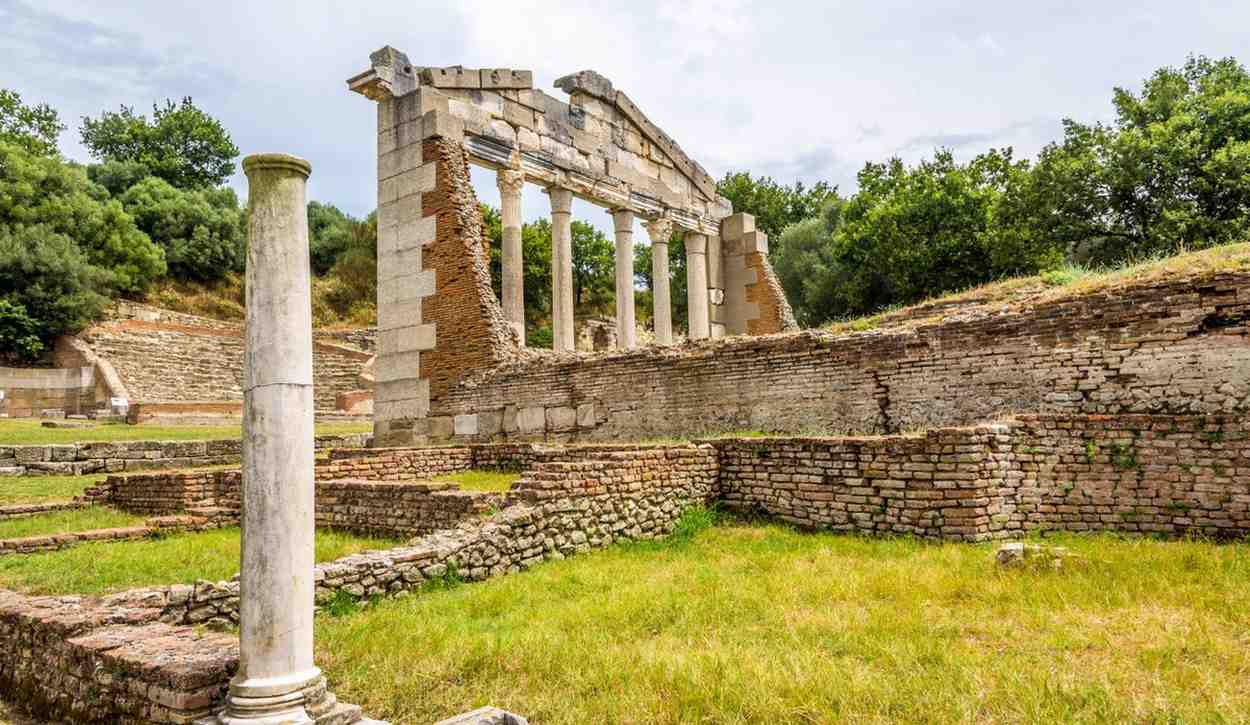
There is a sense in Greece that you are not merely visiting a country but wading through millennia of history as soon as you set foot there. Not many places on the planet can claim to hold onto their past with such vividness. You have ancient sites here that speak to human ingenuity, from the temples of old Olympian gods to theaters where one can imagine Aristotle was once in attendance.
For those with an affinity for history or mythology, or anyone who just wants to be put in awe, we have put together a list of seven must-see spots in ancient Greece that are still with us today.
1. The Acropolis of Athens
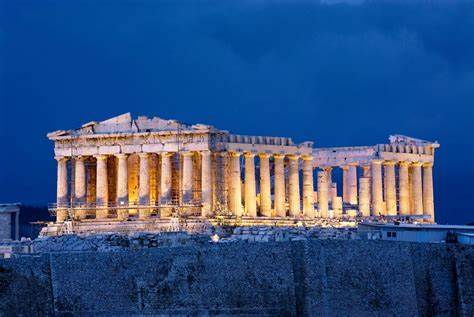
- Built: 5th century BC
- Famous for: The Parthenon, Temple of Athena Nike, Erechtheion
- Best for: First-time visitors to Greece
You could call the Acropolis Athens’ crown jewel, but in truth it is among the most significant ancient sites anywhere. It is a fortified citadel that sits high over the city and was the very centre of classical Athens in Pericles’ Golden Age.
✨ Highlights:
- The Parthenon – Dedicated to Athena, patron goddess of Athens.
- The Erechtheion – Known for its Porch of the Caryatids, where columns are carved as female figures.
- Temple of Athena Nike – A small but elegant temple celebrating victory.
💡 Tip: Make for the Acropolis before 9 in the morning or in the late afternoon so you can put some distance between yourself and the crowds and the worst of the sun. And don’t forget to pick up the €30 combo ticket; it covers the Acropolis as well as a number of other archaeological spots in Athens.
2. Delphi – The Sanctuary of Apollo

- Built: 8th century BC onwards
- Famous for: The Oracle of Apollo
- Best for: Travelers into myth, spirituality, and scenic landscapes
There was a time when Delphi, set in the shadow of Mount Parnassus, was thought to be the very center of the world. For centuries pilgrims would make their way here to put their questions to the Oracle of Apollo and hear his enigmatic prophecies, which had a way of dictating the course of Greek war and politics.
✨ Highlights:
- Temple of Apollo – Where the oracle spoke.
- The Treasury of the Athenians – Built after the Battle of Marathon.
- The Ancient Theatre – With a panoramic view over the valley.
💡 Tip: If you are in the area, I would suggest making time for the Delphi Archaeological Museum as well. You can see the bronze Charioteer of Delphi there, arguably one of the best ancient statues to have been found.
3. Olympia – Birthplace of the Olympic Games

- Built: 8th century BC onwards
- Famous for: Original Olympic Games dedicated to Zeus
- Best for: Sports enthusiasts and history lovers
Olympia was the home of the Olympic Games, starting in 776 BC and long before you would find any modern day stadium. For a thousand years or more, it drew in athletes from all over the Greek world to put on a show of sport and competition in honor of Zeus.
✨ Highlights:
- Temple of Zeus – Once home to one of the Seven Wonders of the Ancient World (the massive gold-and-ivory statue of Zeus).
- Temple of Hera – Where the Olympic flame is still lit today before each modern Games.
- Stadium – The original running track where athletes competed.
💡 Tip: You should make time for the Olympia Archaeological Museum as well. It is not to be missed; inside you will come across some rare artifacts and sculptures that were once part of the Temple of Zeus.
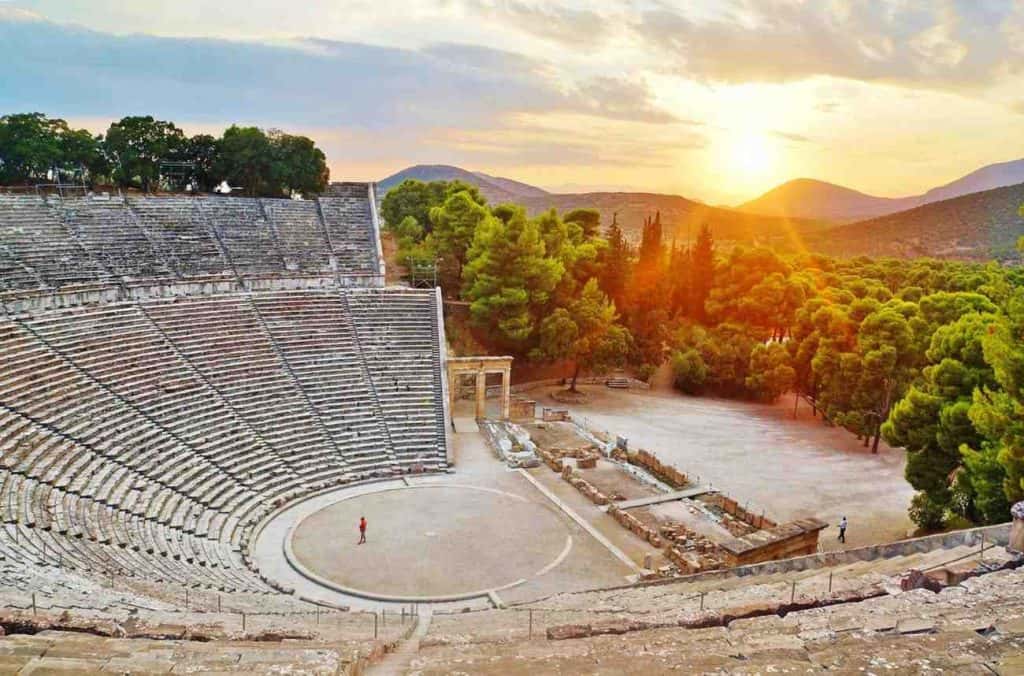
4. Epidaurus – The Ancient Theatre
- Built: 4th century BC
- Famous for: Perfect acoustics and architecture
- Best for: Culture seekers and performance enthusiasts
You will find Epidaurus in the Peloponnese, once a sanctuary for Asclepius, god of healing. These days, however, it is best known for the ancient theatre, an old world masterpiece of classical proportions. The acoustics are such that you can make out a whisper from the stage all the way up to the top rows; it is quite a feat of engineering by the ancients.
✨ Highlights:
- The Theatre of Epidaurus – Home to performances at the Athens & Epidaurus Festival.
- Sanctuary of Asclepius – With its baths and temples where the practice of medicine was once in full swing
💡 Tip: If you want to see an ancient Greek play put on under the stars, come in summer. You had better book your tickets well in advance as they do not last long.
5. Knossos – The Minoan Palace

- Built: Around 1900 BC (rebuilt after earthquakes)
- Famous for: Palace of King Minos, Minotaur legend
- Best for: Myth lovers and Crete explorers
The Minoans were putting down the roots of Europe’s first advanced civilisation on Crete long before you had Athens or Sparta to worry about. At the heart of it is Knossos, their capital, a palace complex of such proportions and mystery that it has become inextricably bound up with the myths of the Labyrinth and the Minotaur. It is an unforgettable place where archaeology and legend are one and the same.
✨ Some of the things you will see:
- Throne Room – For all its ceremonial air..
- The Grand Staircase – A Grand Staircase that speaks to the sophistication of Minoan building.
- Frescoes – Frescoes in vivid colour of bulls, dancers and dolphins.
💡 Tip: My advice is to get there early. And while you are at it, make time for the Heraklion Archaeological Museum; you will find most of the original treasures and frescoes from Knossos on display there.
6. Mycenae – The Kingdom of Agamemnon
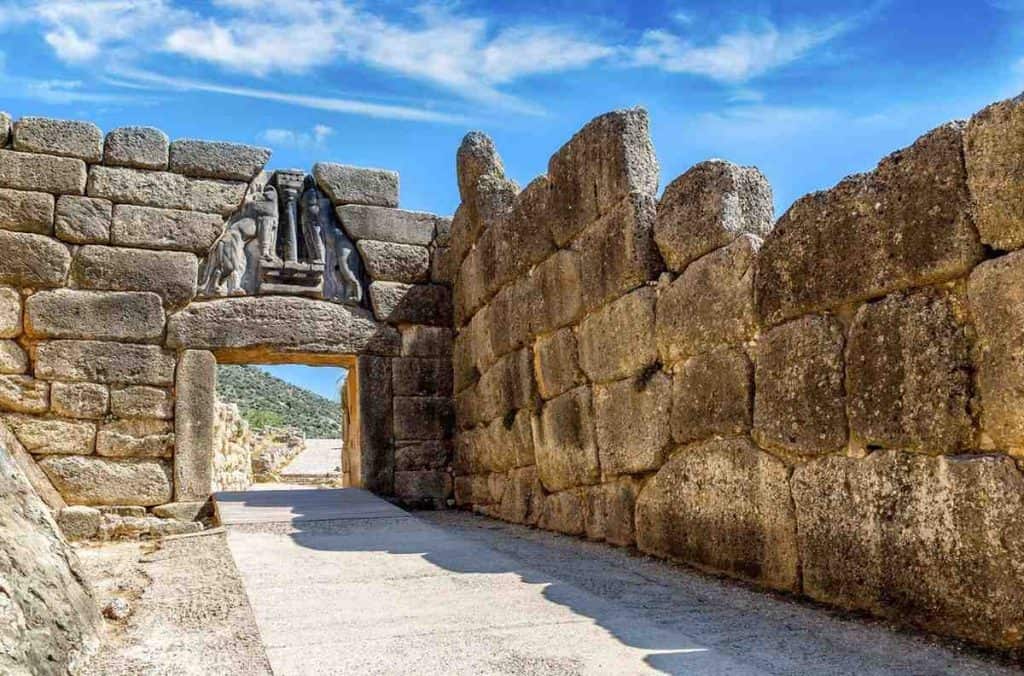
- Built: 16th century BC
- Famous for: The Lion Gate, Homer’s epics
- Best for: Fans of the Trojan War legends
You will find Mycenae in the hills of the Peloponnese, a site that was once one of Greece’s great Bronze Age civilizations. It is the kingdom of Agamemnon, who Homer has us remember as the head of the Greek forces in the Iliad and the Trojan War.
✨ Highlights:
- The Lion Gate – A monument of an entrance with its lion reliefs.
- Treasury of Atreus – The Treasury of Atreus, or what people call the “Tomb of Agamemnon,” which is a beehive tomb of considerable size.
- Cyclopean Walls – The enormous stone fortifications that legend has it were put up by giants.
💡 Tip: A word of advice: if you are in Epidaurus, make the hour’s drive over to Mycenae; there is no reason you can’t do both in a day.
7. Delos – The Sacred Island

- Built: 10th century BC onwards
- Famous for: Birthplace of Apollo and Artemis
- Best for: Island-hoppers interested in history
Tiny Delos, near Mykonos, is where Apollo and Artemis were born. Back in the day it was a prosperous centre for trade, but now you will find an open-air archaeological site of some note.
✨ Highlights:
- The Terrace of the Lions – The Terrace of the Lions to see the marble sentinels on the sacred way.
- The House of Dionysus – The House of Dionysus for its fine floor mosaics.
- The Sanctuary of Apollo – The spiritual core of Delos.
💡 Tip: There are no places to put you up on Delos, so make of it a half-day excursion. You can catch a boat over from Mykonos any day of the week.
🗺️ Quick Comparison Table
| Site | Location | Built | Famous For | Best For |
|---|---|---|---|---|
| Acropolis | Athens | 5th c. BC | Parthenon & temples | First-time visitors |
| Delphi | Central Greece | 8th c. BC | Oracle of Apollo | Myth & spirituality |
| Olympia | Peloponnese | 8th c. BC | Original Olympic Games | Sports & history |
| Epidaurus | Peloponnese | 4th c. BC | Ancient theatre | Culture lovers |
| Knossos | Crete | 1900 BC | Minoan civilization | Myth & archaeology |
| Mycenae | Peloponnese | 16th c. BC | Homeric legends & ruins | Trojan War fans |
| Delos | Near Mykonos | 10th c. BC | Sacred island of Apollo | Island-hopping travelers |
✨ Final Thoughts
You could call these seven ancient places relics, but in truth they are living monuments that have done much to define Western civilization. To put it another way, a visit is like getting in a time machine and putting yourself where the likes of kings, philosophers, gods and heroes once trod.
👉 Make your way to the Acropolis to follow in Socrates’ path, or go see for yourself the Lion Gate at Mycenae and the hallowed ground of Delos. You will come to understand what makes Greece the very heart of history and myth.
About The Author
