Call us at +306949885983

7 Mistakes Tourists Make When Booking a Hotel in Greece


Booking a hotel in Greece looks easy.
You find a beautiful room, check the photos, see the price, read a few reviews, and book it.
But there are a few things that can make the experience very different from what you expected.
A hotel can have beautiful photos and a great rating and still be inconvenient for your particular trip. A room that looks perfect on a Greek island might be a terrible choice if you have heavy luggage and no car. A cheap hotel can also become much more expensive once you add transportation, breakfast, parking, or other costs.
If you’re planning a trip to Greece, here are seven mistakes worth avoiding before you click that booking button.
1. Booking a Hotel Without Checking Exactly Where It Is
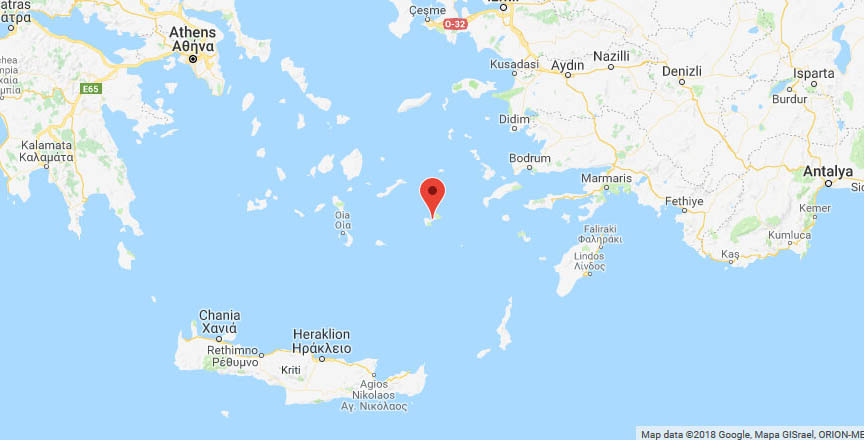
This is probably one of the biggest mistakes first-time visitors make.
A hotel may advertise itself as being “in Santorini,” “near Athens,” or “close to the beach,” but those descriptions don’t tell you much.
Greece has very different types of destinations. Some hotels are in busy town centers, some are on steep hillsides, some are in small villages, and others are several kilometers from the places tourists actually want to visit.
On an island, that distance can matter a lot.
A hotel that is only a few kilometers from a beach might require a taxi or rental car to reach it. If taxis are limited or expensive during the high season, the location can quickly become a daily inconvenience.
Before booking, open the exact location on a map.
Look at the distance to the beach, restaurants, supermarkets, ferry port, bus stops and the places you actually want to visit.
“Near the beach” and “walking distance from the beach” are not necessarily the same thing.
2. Choosing the Cheapest Room Without Checking What’s Included

A low nightly price can be tempting, especially in popular Greek destinations where accommodation can become expensive during summer.
But don’t compare hotels using the room price alone.
Check what you’re actually getting.
Is breakfast included?
Is there air conditioning?
Is Wi-Fi included?
Is there parking?
Is there a balcony?
Is the room equipped with a refrigerator?
Is there an extra charge for certain services?
And most importantly, check the cancellation conditions before booking.
Two hotels can appear to have almost identical prices while offering very different packages.
This is particularly important when you’re comparing several properties on booking platforms. The cheapest option shown first isn’t necessarily the cheapest option once everything you need is added.
Spend an extra minute opening the room details.
It can save you money later.
3. Assuming Every Greek Hotel Has Easy Parking

If you’re renting a car, don’t make the mistake of assuming that “parking available” means you will have a large, convenient parking lot next to the entrance.
Greek accommodation ranges from large resorts with dedicated parking areas to small guesthouses on narrow streets where parking can be much more complicated.
This matters even more in historic towns and popular island settlements.
Some properties may have limited spaces. Others may direct guests to nearby public parking. In busy summer periods, finding a convenient place can be difficult.
If you’re renting a car, look carefully at the hotel’s parking information and read recent guest reviews specifically mentioning parking.
And if the hotel says parking is available nearby, check how far “nearby” actually means.
You don’t want to discover this after arriving with several suitcases.
4. Booking a Hotel Without Considering How You’ll Get There

A hotel can look perfect on a map and still be awkward to reach.
This is especially important on Greek islands.
You might arrive by ferry, plane or bus, and your accommodation may be several kilometers away. If you don’t have a rental car, you need to know what your options are before booking.
Check whether there is public transportation nearby.
Find out how far the hotel is from the airport or ferry port.
Check whether taxis are readily available.
Some accommodations also offer transfers, but don’t assume they are included in the room price.
This is one reason why a slightly more expensive hotel in a convenient location can sometimes make more sense than a cheaper property that requires transportation every day.
The room is only one part of your accommodation decision.
Getting to it matters too.
5. Looking Only at the Overall Rating
A hotel with a 9.2 rating looks excellent.
But don’t stop there.
Read the recent reviews.
Look for repeated comments about things that matter to you.
If you’re traveling with children, check what families say.
If you want a quiet vacation, look for comments about noise.
If you’re visiting without a car, check what guests say about transportation and the location.
If you’re visiting during the summer, pay attention to comments about air conditioning.
You should also look at the most recent reviews rather than relying entirely on comments from several years ago.
Hotels can change.
A property may have been recently renovated, changed management, or introduced new services. The opposite can also happen.
A high overall rating is useful, but the details in recent reviews can tell you much more about whether the hotel is right for your trip.
6. Booking Based Only on Beautiful Photos
Greek hotels have some serious competition when it comes to photography.
A terrace overlooking the sea can look incredible in a photograph.
But the photograph doesn’t tell you everything.
Before booking, look carefully at the room photos.
Is the room actually the same type you’re booking?
Does the balcony belong to your room or to a shared area?
Does the “sea view” mean a direct view of the sea or a partial view between buildings?
How large is the room?
Where is the bathroom?
Is there an elevator?
If you’re staying somewhere with steep streets or lots of stairs, this can also become important.
Don’t assume that every room at the property looks like the best photograph on the hotel’s page.
Accommodation websites usually show multiple room categories, so make sure you are looking at photographs and descriptions for the exact room you are paying for.
7. Ignoring the Season You’re Visiting
The same hotel can offer a completely different experience depending on when you visit Greece.
July and August are the busiest months in many popular destinations.
Prices can be higher, beaches can be busier, restaurants can require reservations, and accommodation can sell out much earlier.
But visiting Greece outside the peak summer months comes with its own considerations.
Some seasonal hotels, restaurants and tourist services operate for shorter periods or close outside the main season.
So don’t simply look at the hotel’s rating and price.
Look at what will actually be open around you when you arrive.
If you’re visiting in May, October or another quieter period, check recent information about the property and destination.
And if you’re traveling in July or August, don’t wait until the last minute to book a popular hotel in a high-demand location.
One More Thing to Check Before You Book
Before paying, take one final look at the booking conditions.
Check the cancellation policy.
Check the payment terms.
Check the exact room type.
Check the number of guests.
Check whether taxes or additional charges are included in the displayed price.
And save your confirmation.
It sounds obvious, but these small details are much easier to deal with before you arrive than after you’ve landed in Greece.
The Best Hotel Isn’t Always the Most Expensive One
You don’t necessarily need a luxury resort to have a great stay in Greece.
In many cases, the smartest choice is simply a hotel that matches the way you’re traveling.
If you have a rental car, parking may matter more than being in the center.
If you’re traveling without a car, location and transportation may be worth paying more for.
If you’re spending most of your day exploring beaches and villages, you may not need an expensive resort.
And if you’re planning to spend your entire vacation at the hotel, then facilities, views and the surrounding area become much more important.
The key is to choose the hotel for your trip, rather than choosing it because it looks impressive in a photograph.
A few minutes of research before booking can prevent some very annoying surprises once you arrive in Greece.
About The Author
