Call us at +306949885983

Don’t Get Ripped Off: 7 Common Greece Scams (and How to Avoid Them)

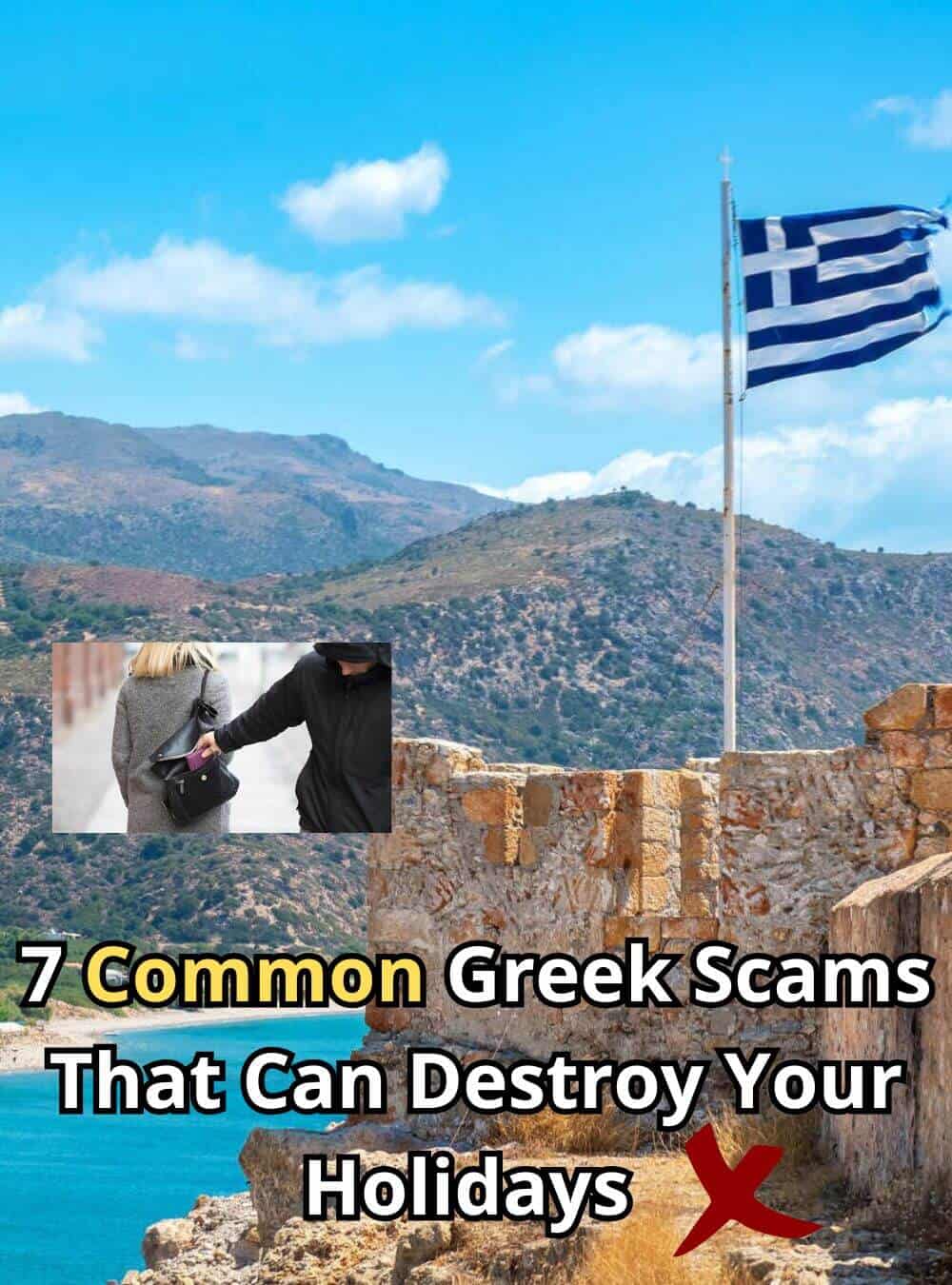
There is no denying that Greece is a dream destination given its history and beauty, yet the astute traveler would do well to be on guard against the scams aimed at visitors. Whether it is an exorbitant taxi fare or some pickpocket’s artifice, one can still put together a guide for navigating this Mediterranean gem in safety and without breaking the bank.
1. Taxi Overcharging & Meter Avoidance

The situation is that a driver of questionable character will sometimes put up resistance to using the meter, or he may put in for an exorbitant flat rate and make a point of taking the long way round. This is not uncommon in places like Athens or Mykonos where the tourists are. In some instances they have been known to work with local restaurants or shops for a cut of the commission.
There are ways to sidestep this. Make it clear you want the meter on before the car is in motion. Or one can turn to ride-hailing services such as Beat in Athens to see what the price is up front. A little homework via Google Maps to get a sense of the fare, or simply asking your hotel for a name of a taxi company they vouch for, will also do the trick.
2. “Free” Bracelets, Flowers, or Gifts
In the thick of it in places like Monastiraki in Athens or the streets of Santorini, one can encounter vendors with a particular modus operandi. They will put forward “free” trinkets, be it a bracelet or a rose, and when you take them, the request for payment is anything but gentle. At times they are even seen working in tandem to make things confrontational.
The way to sidestep this is to be firm in your refusal of any unasked-for gifts and move on. It helps to keep your hands in your pockets so as not to be put in a position of having to accept something. In the more crowded tourist spots, it is best to give persistent sellers no eye contact at all.
3. Overpriced Beach Chairs & Umbrellas

The situation on islands such as Mykonos and Santorini is that one can expect to be hit with steep bills at the beach clubs. A sunbed will run you €50 or more a day, and there are often extra charges for anything deemed “premium”. It is not uncommon for staff to take advantage of a tourist’s unwillingness to haggle.
To sidestep this, make sure you have the price confirmed in hand before you put in an order or take a seat. If you would rather have free access, head to a public beach like Agios Sostis in Zakynthos or Kedrodasos in Crete. Or put in a word with your hotel staff or someone from the neighbourhood for a recommendation that does not break the bank.
4. Fake Tour Guides & Unofficial Excursions
The scene near the Acropolis and other well known landmarks is one to be wary of. There you will find unlicensed guides touting “discounted” rates for their services; in reality they are prone to giving wrong information or making off with a partial fee, and on occasion will steer you toward a shop with inflated prices.
To put your mind at ease, it is best to make arrangements with a guide via an established site such as GetYourGuide or Viator. Check that any guide has an official badge on display and do not engage with strangers who come on with unsolicited offers of assistance at these historical places.
5. ATM Skimming & “Helpful” Strangers

The modus operandi is straightforward: in places like Athens and Santorini one will find scammers who have put card skimmers on ATMs or put on the act of a Good Samaritan to “help” with fees, all the while making off with your PIN or card information.
To put yourself in a better position, stick to ATMs that are inside the bank or in a well-lit spot and be sure to cover the keypad for your PIN. Do not let strangers offer their assistance; if you come across any odd devices, make a report to the authorities. It is also wise to keep an eye on your statements for anything you did not authorise.
6. Restaurant Bread & Water Scams
The scenario is familiar in tourist hot spots such as the Old Town of Mykonos: a restaurant will put bread, water or an appetizer on the table with no indication it is not to be paid for. The resulting bill can come as a shock.
One can sidestep this by making a habit of asking if something is complimentary before putting it down. It is also wise to scrutinise the menu for any unlisted charges and give the bill a close once you have finished. For a better experience, try one of the local tavernas some distance from the throng of the main squares.
7. Bird Poop Distraction & Pickpocketing
The modus operandi is simple: a con artist will put some white paste on you, making it look like bird droppings, and under the guise of being helpful will offer to clean it up. In the meantime, an associate makes off with your wallet or phone. It is not an uncommon sight in places such as Syntagma Square in Athens.
To put yourself at ease and avoid the trouble, one should be wary in crowded haunts like markets or metro stations. Keep valuables stowed in an anti-theft bag or a concealed pocket. And if someone offers to “help” with a spot on your clothes, just say no and put some distance between you and them right away.
Bonus Tips for a Scam-Free Trip
- Avoid unmarked taxis: Official taxis are yellow in Athens, blue/white in Thessaloniki.
- Pre-book ferries: Use platforms like Ferryhopper to dodge fake ticket sellers at docks.
- Stay skeptical: If an offer seems too good to be true, it probably is.
Greece’s charm far outweighs its scams, and with these tips, you’ll navigate your trip like a pro. Stay informed, trust your instincts, and focus on soaking up the sun, history, and souvlaki!
About The Author
