Call us at +306949885983

Trump and Putin Strike a Diesel Deal. Fuel Prices Fall, but There’s a Catch

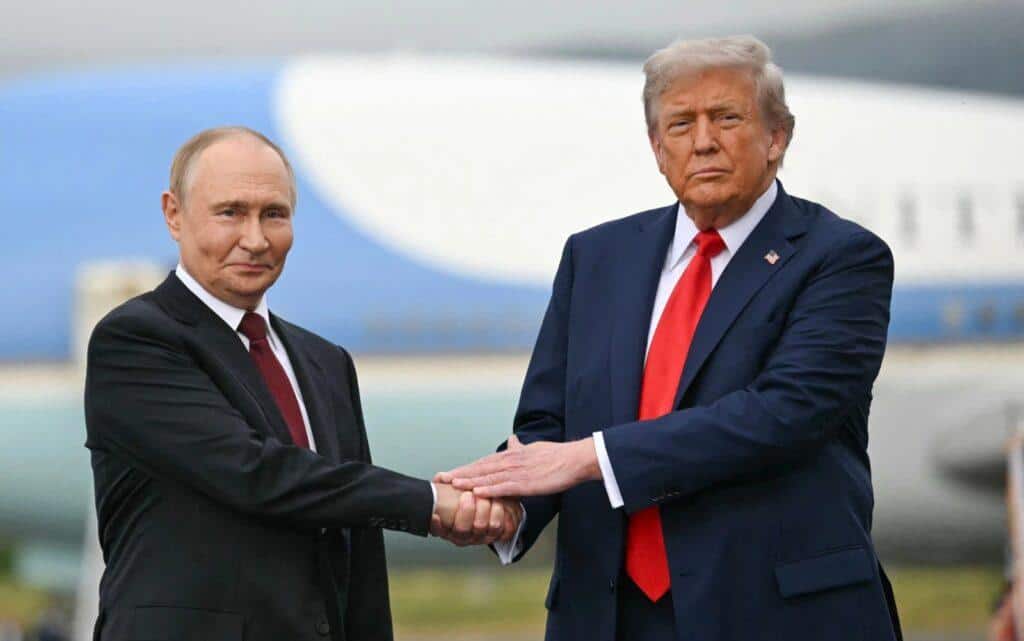
Donald Trump says Russian fuel will help bring energy prices down. Vladimir Putin has agreed to release millions of tons of diesel into global markets. Washington is easing sanctions, markets are reacting, and Ukraine is furious. But will drivers actually see cheaper fuel, or is the biggest impact happening somewhere else?
For years, the United States has tried to restrict Russia’s energy revenues over its war in Ukraine.
Now, President Donald Trump is taking a very different approach.
Following a conversation with Russian President Vladimir Putin on October 9, Trump announced an agreement under which Russia would supply additional diesel fuel to the United States and global markets.
The announcement was immediate. So was the market reaction.
US diesel futures fell sharply, and Washington moved to temporarily ease restrictions on Russian diesel exports. Trump predicted that fuel prices would come down quickly.
But there is a bigger story behind the headline.
The United States is trying to lower energy costs by opening the door to more Russian fuel, even though selling that fuel could also generate revenue for Moscow.
That creates a difficult balancing act involving consumers, businesses, the war in Ukraine and the global energy market.
And there is one important detail that drivers should understand before celebrating a possible drop in prices.
Cheaper fuel on the international market does not automatically mean cheaper petrol or diesel at the pump.
What Exactly Did Trump and Putin Agree To?
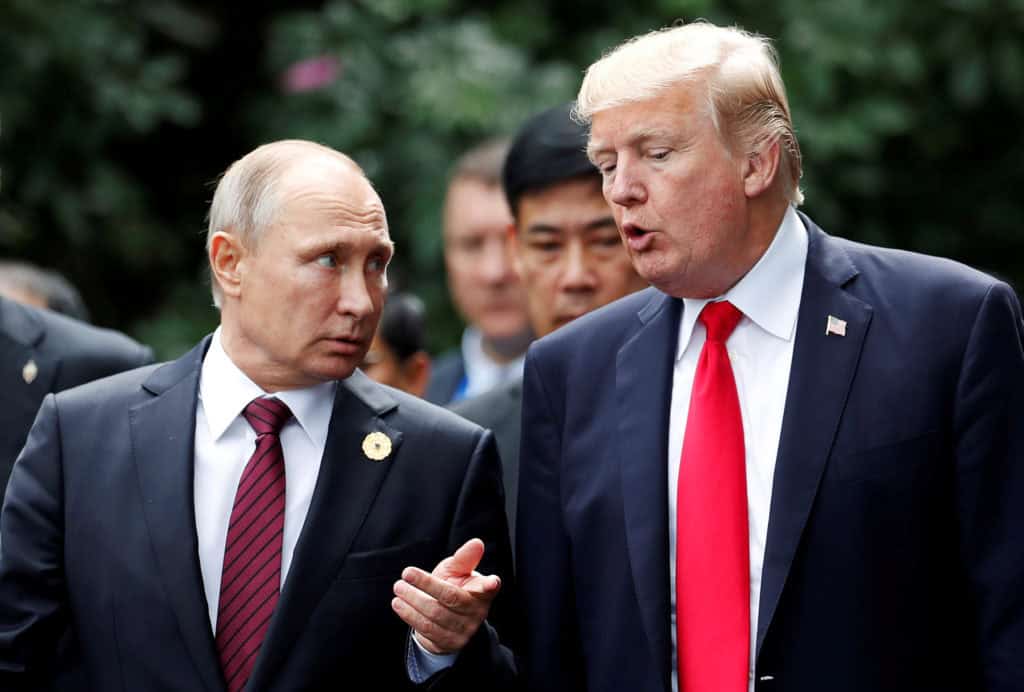
On October 9, Trump announced that Russia would provide substantial additional quantities of diesel to the American and global markets.
According to his announcement, the initial deliveries would be followed by further shipments over the coming months.
The quantities Trump outlined were:
- More than 300,000 metric tons immediately.
- Another 500,000 metric tons during November.
- A further 1 million metric tons afterward.
- Up to another 3 million metric tons, depending on the condition of Russian diesel refineries.
The potential total announced by Trump is approximately 4.8 million metric tons.
These are the quantities he announced, rather than a guarantee that every shipment will arrive exactly as planned.
The distinction matters because Russia’s ability to supply fuel depends partly on the condition of its refining infrastructure, domestic demand and the logistics required to transport the product.
There is another detail that makes the agreement particularly significant.
The deal concerns diesel fuel, not simply crude oil.
Crude oil is the raw material extracted from the ground. Diesel is a refined petroleum product used by trucks, agricultural machinery, ships and many other vehicles and industrial operations.
The two markets are connected, but they are not interchangeable.
A shortage of diesel can push its price higher even when the movement in crude oil prices is relatively modest.
That is one reason the announcement attracted immediate attention from energy traders.
Why Did Fuel Prices Fall After the Announcement?
Markets react to expectations, not just to products that have already arrived.
When traders believe additional supplies are coming, they may adjust their prices before the physical deliveries take place.
That is what happened after Trump’s announcement.
US diesel futures fell sharply, with Reuters reporting a decline of nearly 5%. Energy-market data from S&P Global also showed a significant weakening in the diesel market’s premium over crude oil.
In other words, the announcement changed expectations about the availability of diesel.
If more fuel becomes available, buyers may face less competition for existing supplies. That can reduce pressure on prices, especially when a market is already tight.
But the size and duration of that effect depend on what happens next.
Will the announced shipments arrive on schedule? Will other supply disruptions continue? Will demand remain strong? And will additional Russian fuel be enough to make a meaningful difference to the global market?
Those questions remain open.
A price drop in the futures market is not the same thing as a permanent reduction in what consumers pay.
Futures prices reflect expectations about future market conditions. Retail fuel prices also depend on refining costs, transport, distribution margins, taxes and local market conditions.
That brings us to the question millions of drivers actually care about.
Will Petrol and Diesel Become Cheaper?
The honest answer is that diesel could receive some relief if additional supplies reach the market, but the scale of any lasting price reduction is uncertain.
Diesel is particularly important because it powers much of the machinery that keeps modern economies running.
Think about the chain reaction.
A truck transports food from a distribution centre to a supermarket. A farmer uses machinery to cultivate and harvest crops. A construction company operates heavy equipment. A delivery business moves products between warehouses and customers.
All these activities depend, directly or indirectly, on energy.
When diesel becomes more expensive, operating costs can rise across multiple industries.
Businesses may absorb some of those costs. Others may pass them on through higher prices.
That is why a sustained reduction in diesel prices could provide relief beyond the fuel station.
However, the reverse is also true.
If supply remains tight or another disruption pushes energy prices higher, the initial market reaction may fade.
Energy analysts have warned that the additional Russian diesel is unlikely, by itself, to guarantee a sustained reduction in fuel prices.
The volumes matter, but so does the wider supply picture.
There is also a difference between diesel and petrol.
The agreement specifically concerns diesel. It should not be treated as a promise that petrol prices will fall by the same amount or at the same speed.
Petrol prices depend on their own refining markets, crude oil costs, regional supply and demand, taxes and distribution expenses.
For drivers, the practical conclusion is simple: watch actual retail prices rather than assuming that a headline about falling futures guarantees immediate savings.
The Bigger Problem Is the Global Energy Crisis
The timing of the announcement is not accidental.
Energy markets have been under pressure amid the conflict involving the United States, Israel and Iran, alongside continuing disruptions linked to the war in Ukraine.
The Strait of Hormuz is particularly important.
This narrow waterway connects the Persian Gulf with the Gulf of Oman and the wider Indian Ocean. It is a major route for international oil and gas shipments.
When commercial shipping through the strait is disrupted, the consequences can spread far beyond the Middle East.
Buyers worry about whether enough fuel will reach the market. Shipping becomes more complicated. Insurance costs can increase. Traders adjust their expectations, and prices may rise before a shortage is fully reflected in physical deliveries.
The effects can be felt in countries thousands of kilometres away from the conflict.
That helps explain why Trump has been searching for additional supplies.
More Russian diesel could help relieve pressure in one part of the market, while developments in the Middle East continue to influence crude oil and refined fuel prices.
On October 9, crude oil benchmarks also moved lower amid Trump’s comments about the prospect of avoiding immediate US military strikes against Iran before the November midterm elections.
However, this was a separate market development from the Russian diesel announcement.
The distinction is important because several factors can move energy prices on the same day.
The price movement is not the result of one announcement alone.
The market is reacting to a combination of supply expectations, geopolitical risks and uncertainty about what happens next.
Why Is the United States Easing Sanctions on Russian Fuel?
This is arguably the most controversial part of the story.
Since Russia launched its full-scale invasion of Ukraine in 2022, the United States and its allies have used sanctions and other restrictions to limit Moscow’s access to revenue and economic resources.
Energy has been a major part of that strategy because Russia is one of the world’s important oil and petroleum-product producers.
The logic is straightforward: restricting energy revenues can make it harder for Moscow to finance its war.
But sanctions also interact with global markets.
If restrictions reduce the availability of a product that buyers need, they can contribute to tighter supply conditions. The effect depends on the product, the restrictions involved and whether other suppliers can replace the missing volumes.
Now Washington is facing a different pressure.
Diesel prices have surged, putting pressure on businesses and consumers. The administration wants additional supply to reach the market.
Following Trump’s announcement, the US Treasury issued a temporary authorization allowing Russian diesel transactions covered by the license through April 7, 2027.
This is a targeted easing of restrictions, not the complete removal of sanctions against Russia.
It also does not mean that every Russian energy transaction is automatically permitted.
The practical effect is to allow specified Russian diesel supplies to reach the market under the authorization’s terms.
For supporters of the move, the argument is economic: increasing supply could ease fuel costs and help businesses that depend on diesel.
For critics, the concern is strategic.
If Russian fuel sales generate additional revenue for Moscow, the measure could weaken some of the financial pressure that the United States and its allies have tried to maintain.
That is the trade-off at the centre of the controversy.
Ukraine Is Furious. Here’s Why
Ukrainian President Volodymyr Zelenskyy criticised the decision, arguing that easing restrictions on Russian fuel could provide financial benefits to the Kremlin while Russia continues its war against Ukraine.
The criticism reflects a fundamental disagreement over how the conflict should be addressed.
Ukraine has argued that pressure on Russia’s economy and energy revenues is an important part of limiting Moscow’s ability to sustain its military campaign.
From that perspective, allowing additional Russian diesel exports creates an obvious concern.
Russia earns money from selling fuel. Some of that revenue supports the broader Russian economy, while state revenues help finance government spending, including military expenditure.
The exact financial benefit from this particular arrangement will depend on the quantities delivered, the prices received, the costs involved and the wider fiscal picture.
It would be misleading to claim that every dollar earned from diesel exports goes directly to the military.
But it would also be wrong to pretend that energy revenue is irrelevant to Russia’s ability to finance its government.
The decision has also drawn criticism from American lawmakers, including Republicans who argue that the United States should be increasing pressure on Moscow rather than easing restrictions.
This makes the issue more complicated than a simple argument between Washington and Moscow.
Even within American politics, there is disagreement over whether the immediate economic benefits of additional fuel supplies justify the potential strategic costs.
Trump’s administration is prioritising the need to ease energy prices, while critics are questioning the implications for Ukraine and the wider sanctions strategy.
Those objectives are now in direct tension.
Is Putin the Unexpected Winner?
It is too early to determine who will ultimately benefit most from the agreement.
But Russia could benefit in a very direct way if it successfully sells additional diesel at commercially attractive prices.
Additional export opportunities can generate revenue for Russian producers and traders. They can also create an opportunity for Moscow to demonstrate that its energy products remain relevant to international markets despite years of sanctions.
At the same time, the impact on the United States depends on whether the additional supplies materially improve availability and reduce costs.
There is a potential benefit for consumers and businesses if the arrangement contributes to lower diesel prices.
There is a potential financial benefit for Russia if the exports generate additional revenue.
And there is a potential strategic cost if the policy undermines the pressure that Washington has been trying to maintain over Moscow.
These outcomes are not mutually exclusive.
A deal can provide economic relief in one area while creating political or strategic complications elsewhere.
The key question is whether the additional supply delivers enough practical benefit to justify the wider consequences.
That cannot be answered simply by looking at the first market reaction.
What About Europe and Greece?
For European countries, the story is particularly relevant because energy prices affect transport, industry, agriculture and household budgets.
Greece is no exception.
Fuel costs influence road transport, logistics, construction and farming. Changes in international petroleum markets can eventually affect businesses and consumers, although the timing and scale depend on domestic conditions.
If additional diesel supply helps ease global market pressure, European buyers could potentially benefit.
But there are several reasons not to assume that Greek drivers will immediately see a dramatic reduction in prices.
First, the agreement does not mean that every shipment will be sent to Greece or even to Europe.
Second, diesel and petrol prices depend on different market conditions.
Third, retail fuel prices reflect more than the international wholesale price. Taxes, distribution costs, refining margins and competition between suppliers all influence the final amount consumers pay.
Finally, other geopolitical developments could push energy prices in the opposite direction.
A disruption to shipping, an escalation in the Middle East or damage to refining infrastructure could offset some of the benefit from additional supplies.
For Greece, the most useful indicators to watch are the international prices of refined petroleum products, the cost of crude oil, shipping conditions and the actual prices charged at domestic fuel stations.
The announcement is relevant, but it is not a guarantee of cheaper fuel.
What Happens Next?
Three developments will determine whether this agreement becomes more than a headline.
1. Do the promised shipments arrive?
The quantities announced by Trump are substantial, but delivery depends on Russia’s production capacity, refinery conditions and transport arrangements.
The market will pay attention to actual shipments rather than announcements alone.
2. Can additional supply bring prices down for long enough to matter?
The initial reaction shows that traders expect the agreement to affect diesel availability.
But sustained price relief depends on the balance between supply and demand, as well as the wider geopolitical situation.
3. What happens to US policy toward Russia?
The temporary sanctions waiver raises questions about the relationship between economic policy, energy security and support for Ukraine.
Washington may continue to face pressure to balance the need for affordable fuel against its stated objectives concerning Russia’s war.
The outcome will have implications beyond the energy sector.
It could influence diplomatic relations, future sanctions decisions and the way other countries assess the reliability of US policy.
The Bottom Line
Trump and Putin’s diesel agreement is a significant development because it brings together three issues that are usually discussed separately: the cost of energy, the war in Ukraine and the use of sanctions as a foreign-policy tool.
The announcement has already produced a market reaction. Additional Russian diesel could help relieve some pressure on supplies, and lower diesel costs would benefit businesses and consumers if the effect reaches the wider economy.
But the outcome is far from guaranteed.
The additional volumes may not be enough to produce a lasting price reduction. Petrol prices will not necessarily follow the same path as diesel. And easing restrictions creates a genuine policy dilemma because additional Russian export revenue could conflict with efforts to limit Moscow’s resources.
For drivers, the question is whether fuel actually becomes cheaper.
For businesses, it is whether lower energy costs last long enough to make a difference.
For Ukraine, it is whether the economic relief comes at a strategic cost.
And for Washington, it is whether opening the door to more Russian fuel can ease pressure on consumers without undermining other foreign-policy objectives.
One thing is certain: the real test will not be what Trump and Putin announced on October 9. It will be what happens to prices, fuel supplies and the war in the weeks and months that follow.
About The Author
